 Save
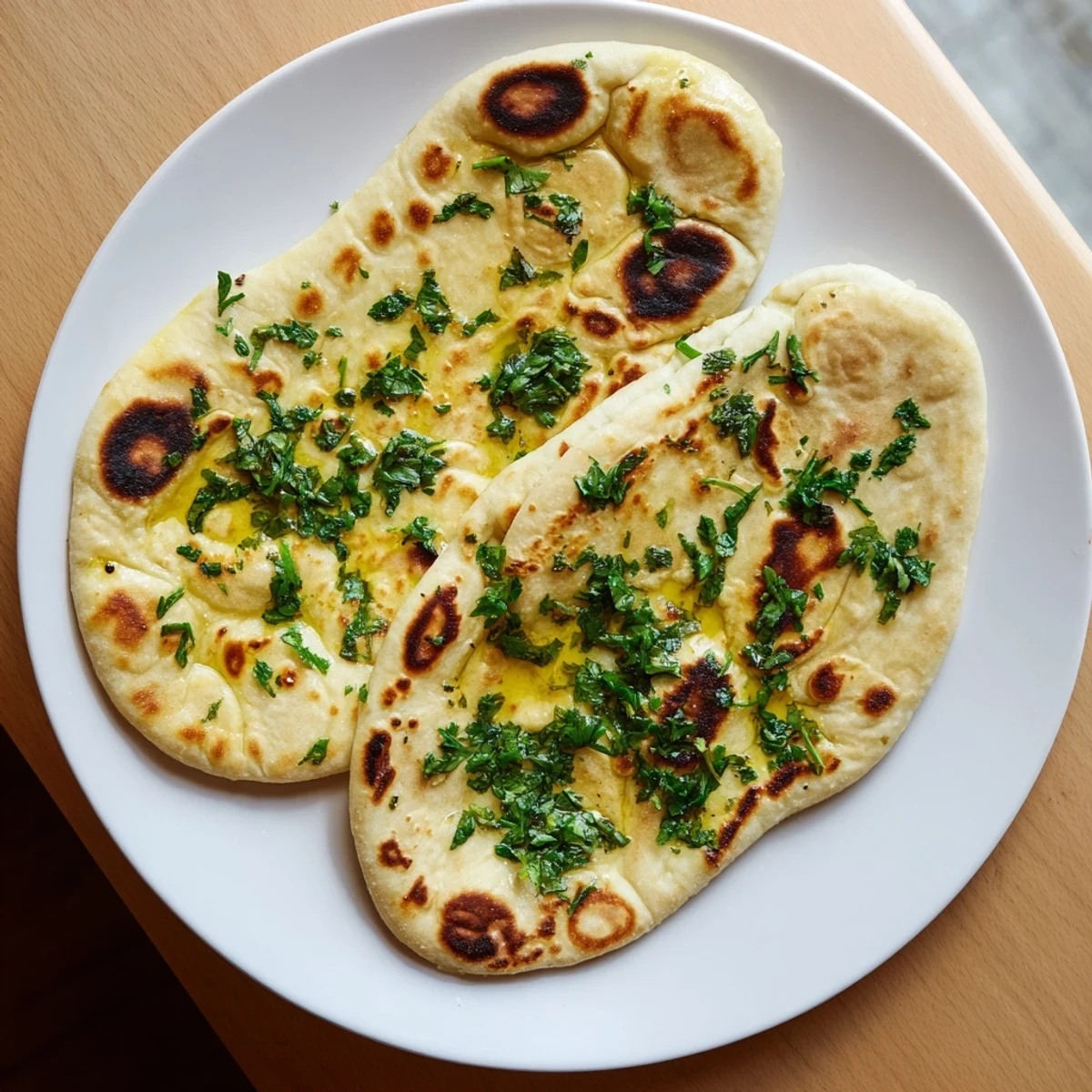
Save This soft Indian flatbread transforms your sourdough discard into pillowy, tender rounds perfect for scooping up curries or serving alongside your favorite dishes. The dough comes together quickly with pantry staples like yogurt, flour, and baking powder, then rests for an hour to develop those signature air pockets.
Cook each naan in a blazing hot cast iron skillet until bubbles form and golden spots appear—about 2 minutes per side. Brush immediately with melted butter for that classic finish, or add minced garlic and fresh cilantro for aromatic garlic variation. The texture emerges beautifully light and chewy, with subtle tang from the fermented discard adding depth to this traditional bread.
Vegan-friendly adaptions work seamlessly with plant-based yogurt and oil instead of dairy. These freeze well for quick weeknight meals, though nothing beats them fresh from the pan with that irresistible butter-brushed finish.
The smell of a hot cast iron pan hitting dough is something you never forget once youve made naan at home. It started on a rainy Tuesday when my sourdough discard jar was overflowing and I had a pot of dal bubbling on the back burner that desperately needed a proper companion. I figured why not merge two worlds I love and the result was so absurdly good that my partner ate four before I could even get them to the table.
Ive made these for friends during dinner parties and always end up standing at the stove passing them out one by one because nobody can wait for a basket to fill up. Theres something about tearing into a warm buttery piece while its still too hot to hold that makes everyone giddy and honest at the same time.
Ingredients
- Sourdough discard (1 cup, unfed at 100% hydration): This is the star that gives the naan its signature tang and tenderness so use discard thats been sitting for a while for the best flavor.
- All-purpose flour (2 1/4 cups): You dont need bread flour here since you want a softer more pillowy texture.
- Plain yogurt (1/2 cup): Adds richness and keeps the dough incredibly tender much like traditional naan recipes rely on yogurt for that classic chew.
- Melted butter or neutral oil (2 tbsp): Fat in the dough creates flexibility so your naan bends rather than cracks when you fold it around curry.
- Sugar (2 tsp): Just enough to feed the wild yeast in your discard and help with browning in the pan.
- Salt (1 tsp): Essential for flavor balance since flatbread without enough salt tastes oddly blank.
- Baking powder (1/2 tsp) and baking soda (1/4 tsp): This combination gives you those beautiful big bubbles when the dough hits the hot skillet.
- Warm water (2 to 4 tbsp as needed): Every discard has a different hydration level so add water gradually until the dough feels right.
- Melted butter for brushing: Non negotiable for that glossy finish and rich flavor on top.
- Optional toppings (cilantro, garlic, nigella seeds): These turn plain naan into something restaurant worthy with almost zero extra effort.
Instructions
- Build the wet mixture:
- In a large bowl combine the sourdough discard, yogurt, sugar, melted butter or oil, salt, baking powder, and baking soda. Stir until everything is smooth and well blended with no streaks of yogurt visible.
- Bring in the flour:
- Add the flour gradually stirring with a spoon or your hand until a shaggy rough dough starts to come together. Dont overthink it at this stage because the kneading comes next.
- Adjust the moisture:
- Add warm water one tablespoon at a time until the dough is soft and slightly tacky but holds its shape. You want it to feel like a relaxed earlobe if that makes any sense at all.
- Knead until smooth:
- Turn the dough onto a lightly floured surface and knead gently for 2 to 3 minutes. It should become smooth and elastic without fighting you back.
- Let it rest and rise:
- Place the dough in a greased bowl, cover with a damp towel, and leave it in a warm spot for 1 to 2 hours. The dough will puff up noticeably though it may not fully double and thats perfectly fine.
- Shape into portions:
- Divide the dough into 8 equal pieces and roll each one into a smooth ball. Let them rest briefly for about 5 minutes so they relax and roll out more easily.
- Roll them out:
- On a lightly floured surface roll each ball into an oval or teardrop shape about 1/4 inch thick. Dont worry about making them perfect because rustic shapes are part of the charm.
- Get the pan screaming hot:
- Heat a cast iron skillet or nonstick pan over medium high heat until you can feel the heat radiating when you hold your hand above it. A hot pan is the secret to getting those gorgeous charred bubbles.
- Cook each naan:
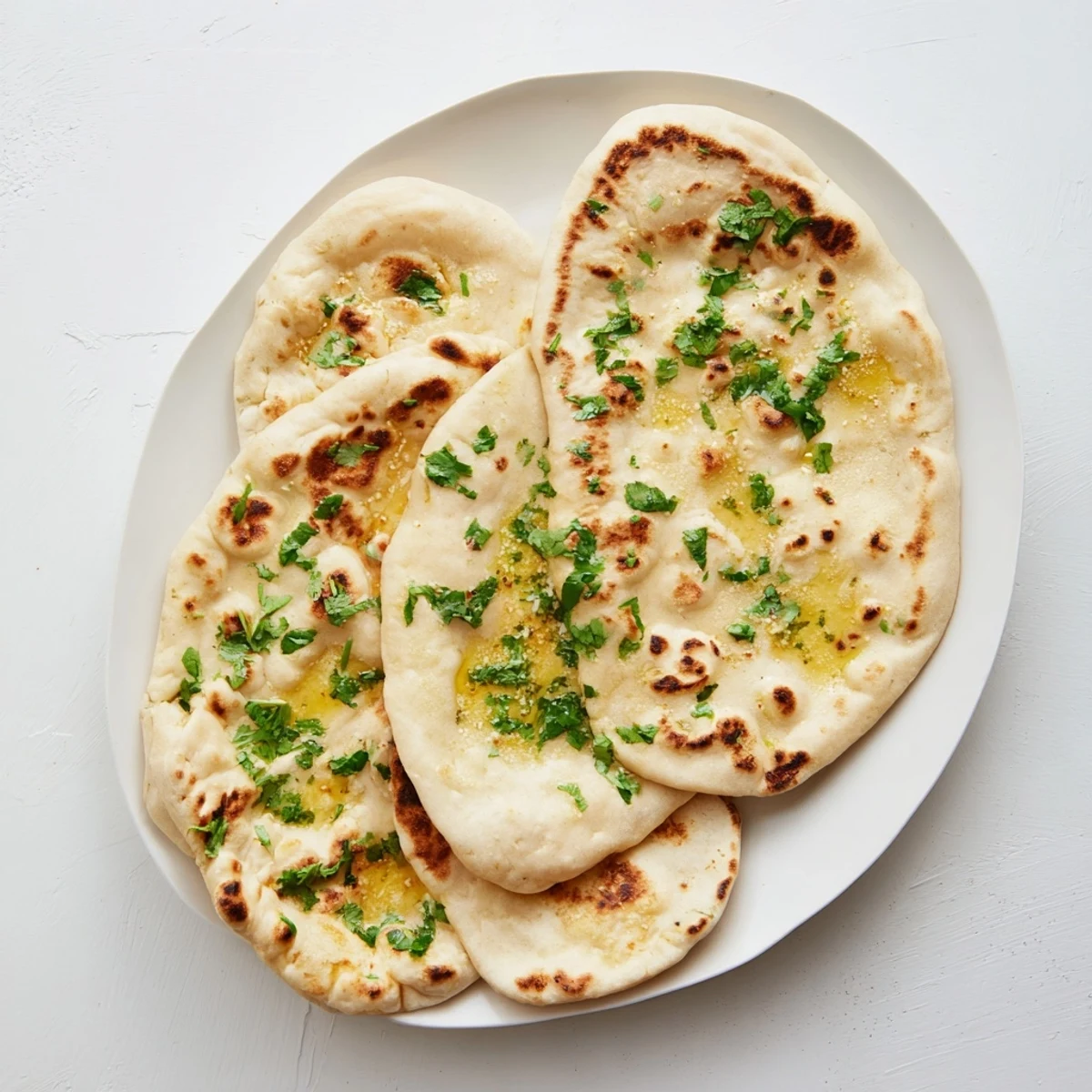
- Place one naan in the dry pan and cook until large bubbles form across the surface and the bottom turns golden with dark spots, about 1 to 2 minutes. Flip and cook another 30 to 60 seconds on the other side.
- Brush and garnish:
- Remove from the pan and immediately brush with melted butter. Sprinkle with minced garlic, fresh cilantro, or nigella seeds if using and watch them disappear.
 Save
Save One evening I handed a fresh naan to my neighbor through the kitchen window and she stood there in her driveway eating the whole thing bare handed with butter dripping down her wrist. That was the moment I realized this recipe had become something bigger than just a clever way to use up discard.
Picking the Right Pan Makes All the Difference
Cast iron is king here because it holds heat evenly and creates those deeply charred spots that taste like a real tandoor. If you use a thin nonstick pan the heat fluctuates too much and your naan will cook unevenly with pale patches next to burnt ones. Season your cast iron well and never wash it with soap after making naan because the residual butter flavor actually improves the next batch.
Getting Creative With Flavors
Once you master the basic dough this becomes a canvas for whatever youre craving. Crushed garlic mixed directly into the butter creates a punchy garlic naan that rivals any restaurant version, and a sprinkle of zaatar or smoked paprika on top opens up entirely new flavor territory. My current obsession is brushing them with butter then pressing them into a mix of sesame seeds and dried mint while theyre still hot.
Storing and Reheating Like a Pro
Naan is at its absolute peak in the first ten minutes off the stove but life doesnt always allow for immediate consumption. Wrap leftover naan tightly in foil and reheat it directly on a hot pan or in a low oven until its warm and pliable again. A damp paper towel wrapped around the bread before reheating helps bring back that soft fresh texture.
- Never microwave naan unless you enjoy eating something that resembles a flip flop.
- Freeze cooked naan between sheets of parchment paper in a zip bag for up to three months.
- Always reheat from frozen in a hot pan rather than thawing first for the best texture revival.
 Save
Save There is deep satisfaction in turning something you would have thrown away into the most requested item at your dinner table. Keep that discard jar full and your cast iron hot because this recipe will become a permanent fixture in your kitchen rotation.
Recipe FAQs
- → Can I use active sourdough starter instead of discard?
-
Yes, but reduce the water slightly since active starter has more hydration. The texture will remain similar, though the flavor may be slightly more pronounced.
- → Why does my naan not bubble when cooking?
-
Ensure your skillet is properly hot before adding the dough—medium-high heat is essential. Also make sure your dough has rested long enough to allow baking powder to activate.
- → Can I bake these instead of using a skillet?
-
While possible, the stovetop method yields the most authentic texture with those characteristic charred spots and pillowy pockets. Baking produces a flatter, more bread-like result.
- → How do I store leftover naan?
-
Wrap cooled naan in foil or place in an airtight container at room temperature for up to 2 days. Reheat in a hot skillet for 30 seconds per side to refresh.
- → What's the purpose of both baking powder and baking soda?
-
Baking soda reacts with the acidic sourdough discard and yogurt for lift, while baking powder provides additional leavening. Together they create those desirable air pockets.
- → Can I freeze the dough?
-
Yes, shape the dough balls after the initial rise, wrap individually, and freeze for up to 3 months. Thaw overnight in the refrigerator before rolling and cooking.