
 Save
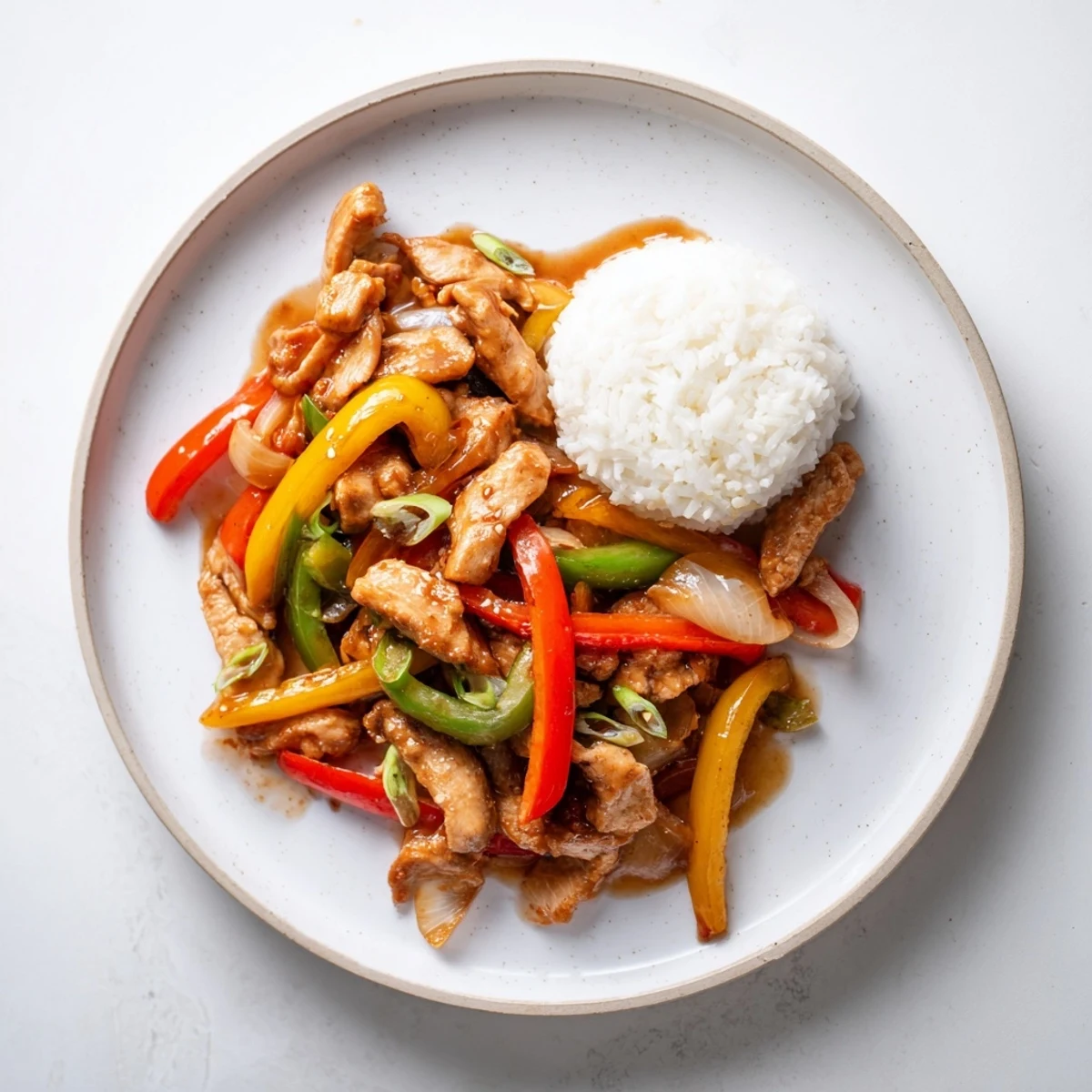
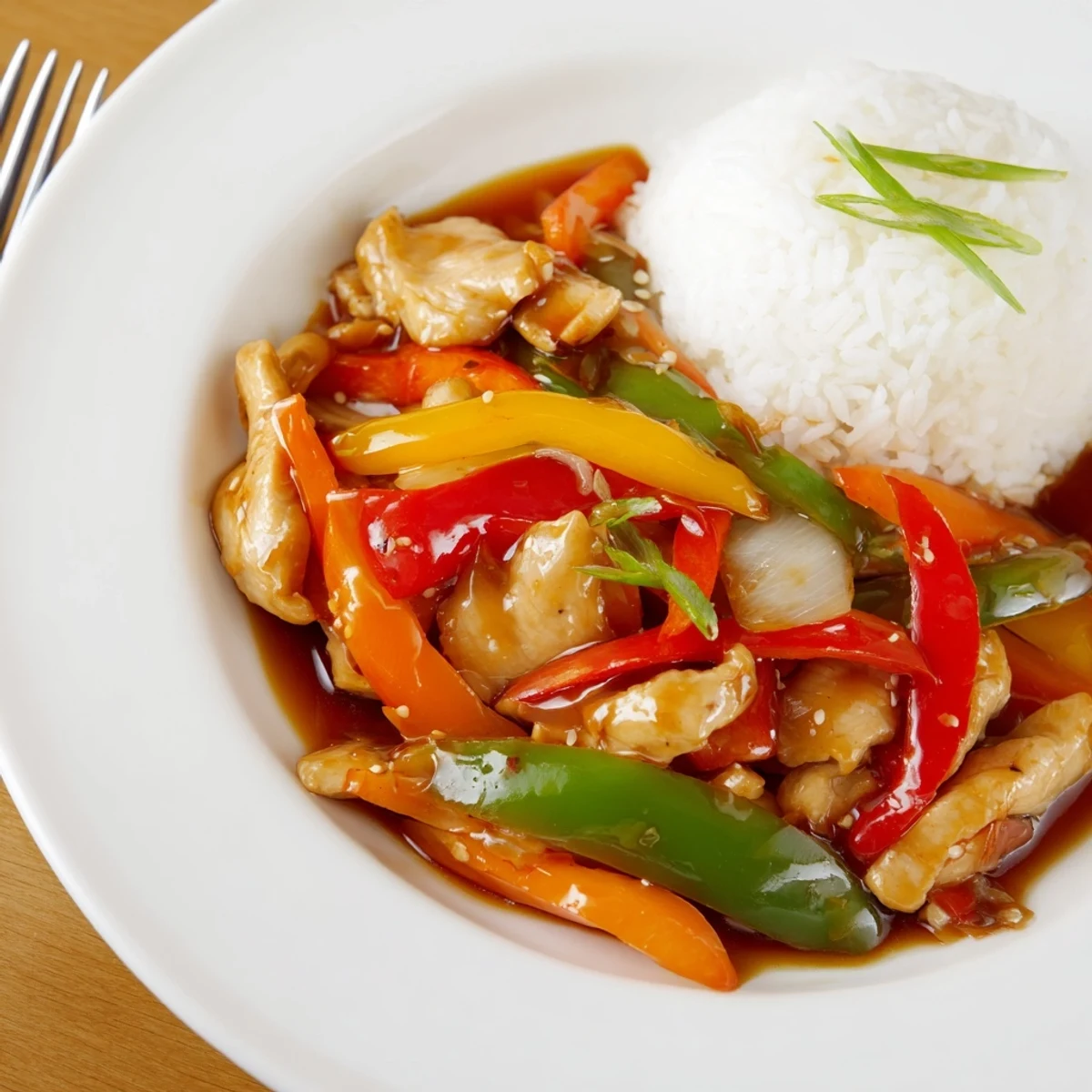
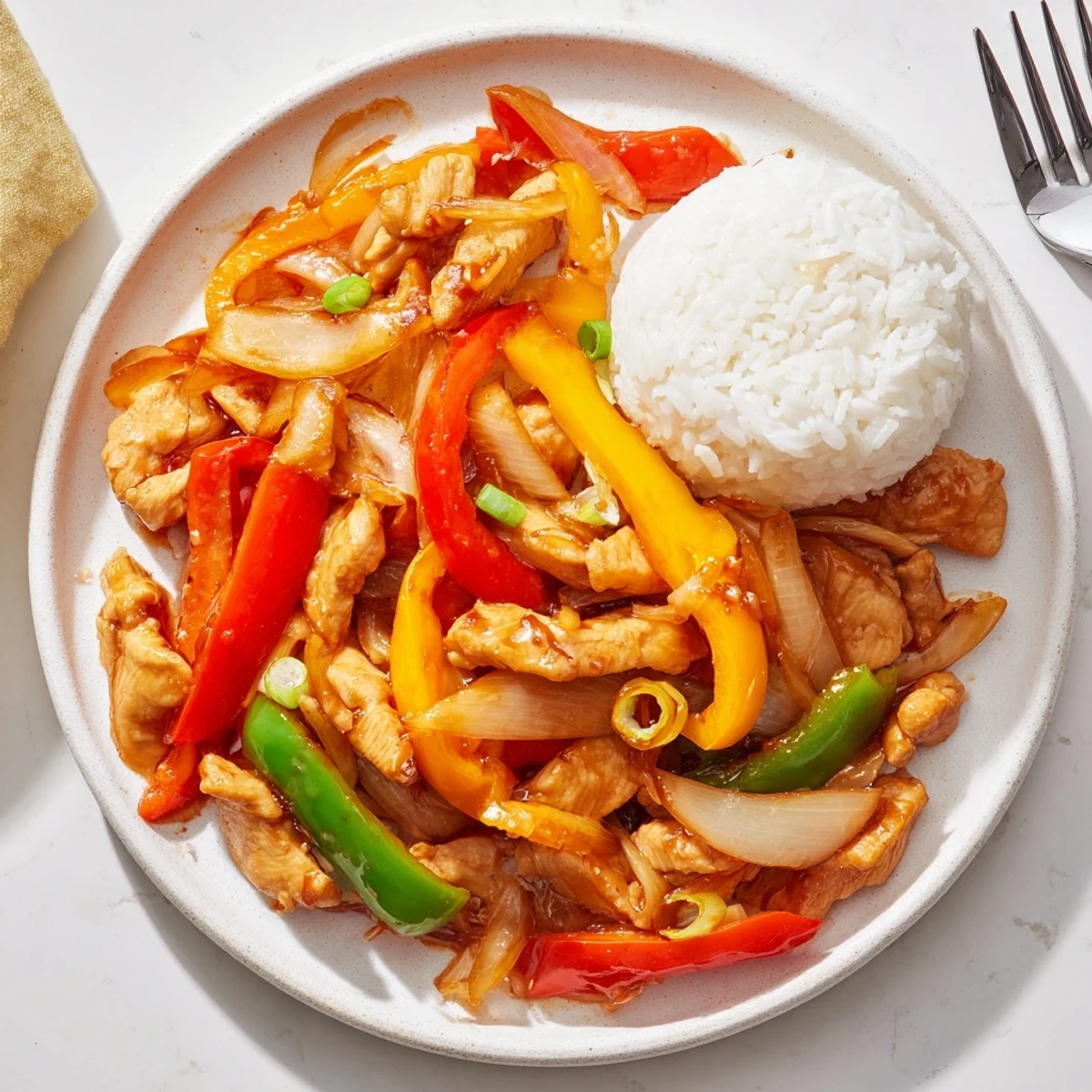
Save Ready in 25 minutes, this quick pepper chicken stir fry pairs thinly sliced chicken breast with red, yellow and green bell peppers and a hoisin-soy-rice vinegar sauce thickened with cornstarch. Sear the chicken over high heat, stir-fry the vegetables until tender-crisp, then return the chicken and toss until the sauce coats everything. Garnish with spring onions and serve with steamed rice or noodles.
The sizzle of chicken hitting a screaming hot wok is one of those sounds that instantly pulls me into the kitchen, fork in hand, before dinner is even ready. This pepper chicken stir fry became my Tuesday night anthem during a phase when my schedule left exactly twenty five minutes between walking through the door and needing food on the table. It is loud, fast, and unapologetically satisfying.
My roommate once stood over the wok eating pieces of chicken straight from the spatula, claiming she was quality testing. I let it happen because the honest truth is that I had been doing the same thing five minutes earlier when she was not looking.
Ingredients
- 500 g boneless skinless chicken breast thinly sliced: Slice against the grain and slightly freeze the chicken beforehand for paper thin, even pieces that cook in a flash.
- 1 red bell pepper sliced: Red adds natural sweetness and a gorgeous color contrast against the dark sauce.
- 1 yellow bell pepper sliced: Yellow peppers bring a mellow brightness that rounds out the trio beautifully.
- 1 green bell pepper sliced: Green pepper holds its crunch better than the others, giving the dish texture.
- 1 small onion sliced: Any color works, but a sweet onion melts into the sauce in the best way.
- 2 garlic cloves minced: Fresh garlic only, and add it late so it never turns bitter on you.
- 2 spring onions sliced for garnish: These go on at the very end for a sharp, fresh bite that wakes everything up.
- 2 tbsp soy sauce: Use gluten free tamari if needed, and reach for a good quality bottle since it carries the whole sauce.
- 1 tbsp oyster sauce: This is the secret weapon that adds depth and a slight silkiness to every coating.
- 1 tbsp hoisin sauce: A touch of sweetness and complexity that rounds the edges off the salty soy.
- 1 tbsp rice vinegar: Just enough acidity to keep the sauce from feeling heavy or cloying.
- 1 tsp freshly ground black pepper: Coarsely cracked is best here since this dish wears pepper like a badge.
- 1 tsp corn starch: The thickening agent that turns a watery glaze into something that clings to every slice.
- 60 ml water: Plain water thins the sauce perfectly so it can reduce and coat rather than burn.
- 1 tbsp sesame oil: Added to the pan for finishing, it brings a nutty aroma that finishes the dish.
- 1 tbsp vegetable oil for stir frying: Use a high smoke point neutral oil so nothing burns at high heat.
Instructions
- Whisk the sauce together:
- In a small bowl, combine the soy sauce, oyster sauce, hoisin sauce, rice vinegar, black pepper, corn starch, and water, whisking until the corn starch fully dissolves with no lumps hiding at the bottom. Set it on the counter and let it wait for you.
- Sear the chicken:
- Heat the vegetable oil in a large wok or skillet over high heat until the oil shimmers and just barely begins to smoke, then add the sliced chicken in a single layer and stir fry for three to four minutes until golden and cooked through. Scoop the chicken onto a plate and resist the urge to snack.
- Toss the vegetables:
- In the same wok, drizzle the sesame oil and toss in the onion and all three bell peppers, stir frying for two to three minutes until they soften but still have a satisfying snap. Add the minced garlic and cook for thirty more seconds until fragrant.
- Bring it all together:
- Slide the chicken back into the wok, pour in the sauce, and toss everything vigorously for two to three minutes as the sauce bubbles, thickens, and wraps around each piece like a glossy coat. You will know it is done when the spatula leaves trails through the sauce.
- Finish and serve:
- Kill the heat, scatter the sliced spring onions over the top, and serve immediately over steamed rice or noodles while everything is still piping hot and glistening.
 Save
Save There was a night I made this for my neighbor who had just moved in and looked completely exhausted. She sat at my tiny kitchen counter eating straight from the wok, and we ended up talking for three hours about everything except the food, which is honestly the highest compliment a meal can receive.
Choosing the Right Wok Makes All the Difference
A well seasoned carbon steel wok develops a natural patina that adds flavor nothing else can replicate, but a flat bottomed stainless steel skillet will do beautiful work if that is what you have. The real key is making sure the pan is wide enough and screaming hot before anything touches it.
Swapping Vegetables Keeps It Fresh
This recipe forgives almost any vegetable substitution you throw at it, which makes it a brilliant fridge cleaner at the end of the week. Broccoli florets, snap peas, julienned carrots, or even sliced mushrooms all find their place in this sauce.
Serving Suggestions Worth Remembering
Jasmine rice is the classic pairing and absorbs the extra sauce like a sponge, but soba noodles or even cauliflower rice work if you are looking to change things up. A sprinkle of sesame seeds on top never hurt anyone.
- A pinch of chili flakes transforms this into a completely different dish for spice lovers at the table.
- Leftovers reheat brilliantly in a dry skillet the next day and somehow taste even better.
- Always check your oyster sauce and hoisin labels carefully if cooking for anyone with shellfish or gluten sensitivities.
 Save
Save Some recipes earn a permanent spot in your rotation not because they are fancy, but because they show up when you need them most and never disappoint. This one has my back on every chaotic weeknight, and I suspect it will have yours too.
Recipe FAQs
- → How do I prevent the chicken from becoming rubbery?
-
Slice the chicken thinly against the grain and cook over high heat just until opaque. Remove it briefly while you cook the vegetables, then return it to finish with the sauce to avoid overcooking.
- → How can I thicken the sauce evenly?
-
Whisk corn starch with cold water before adding to the hot sauce, then stir constantly as it heats until the sauce becomes glossy and coats the ingredients. Add gradually to control thickness.
- → What can I use instead of oyster sauce for shellfish allergies?
-
Substitute with an equal amount of mushroom-based stir-fry sauce or additional hoisin and soy sauce for a savory, umami-rich alternative that keeps the glaze balanced.
- → Which vegetables work well as substitutes for bell peppers?
-
Snap peas, broccoli florets, thinly sliced carrots, or snow peas maintain crispness and pair well with the hoisin-soy glaze. Adjust cook time so they stay tender-crisp.
- → Can I make this gluten-free?
-
Yes—use gluten-free soy sauce (tamari) and check that hoisin and any pre-made sauces are certified gluten-free. Oyster sauce may also contain gluten; choose a gluten-free alternative if needed.
- → How should leftovers be stored and reheated?
-
Cool quickly and refrigerate in an airtight container for up to 3 days. Reheat gently in a skillet over medium heat, adding a splash of water to refresh the sauce and avoid drying out the chicken.