
 Save
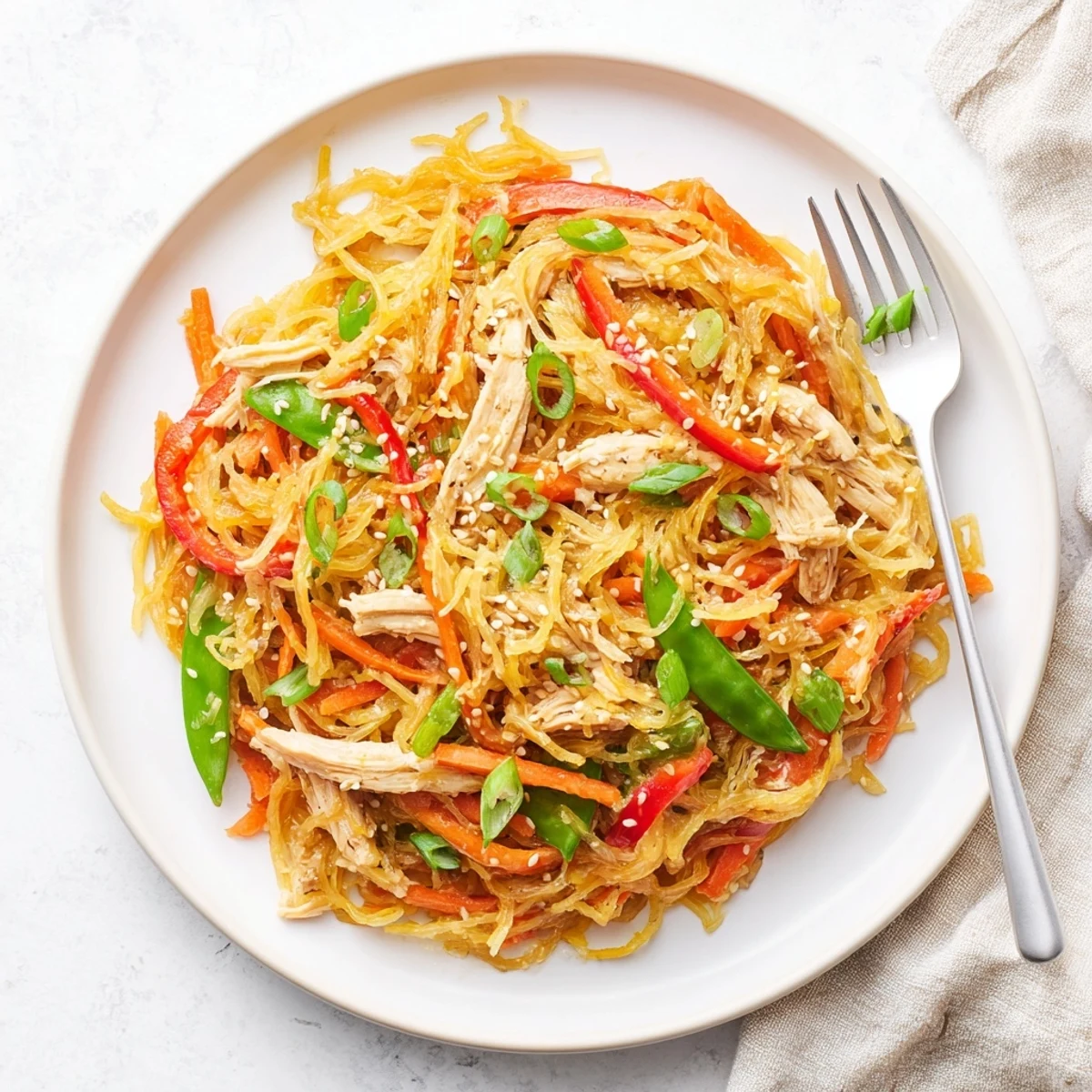
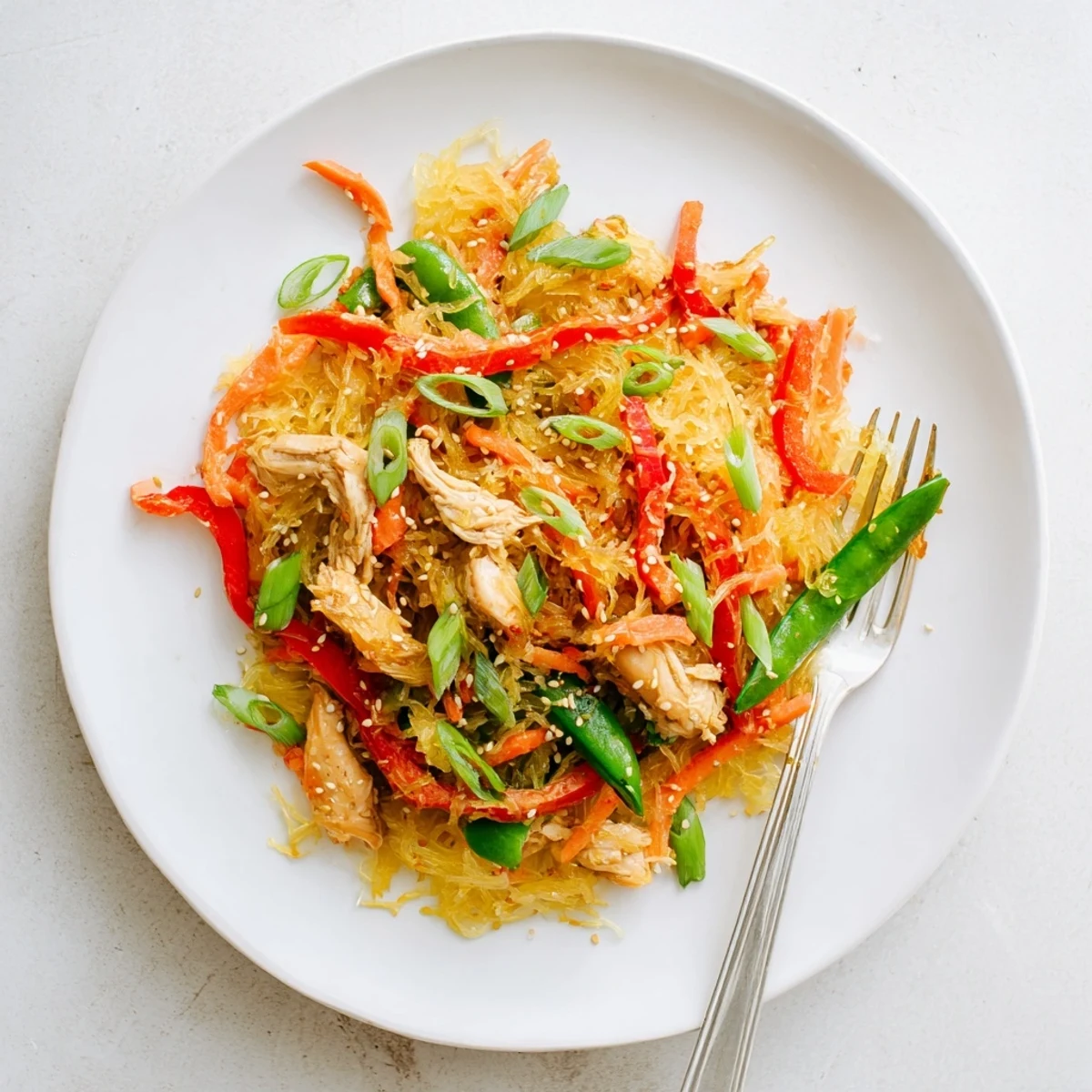
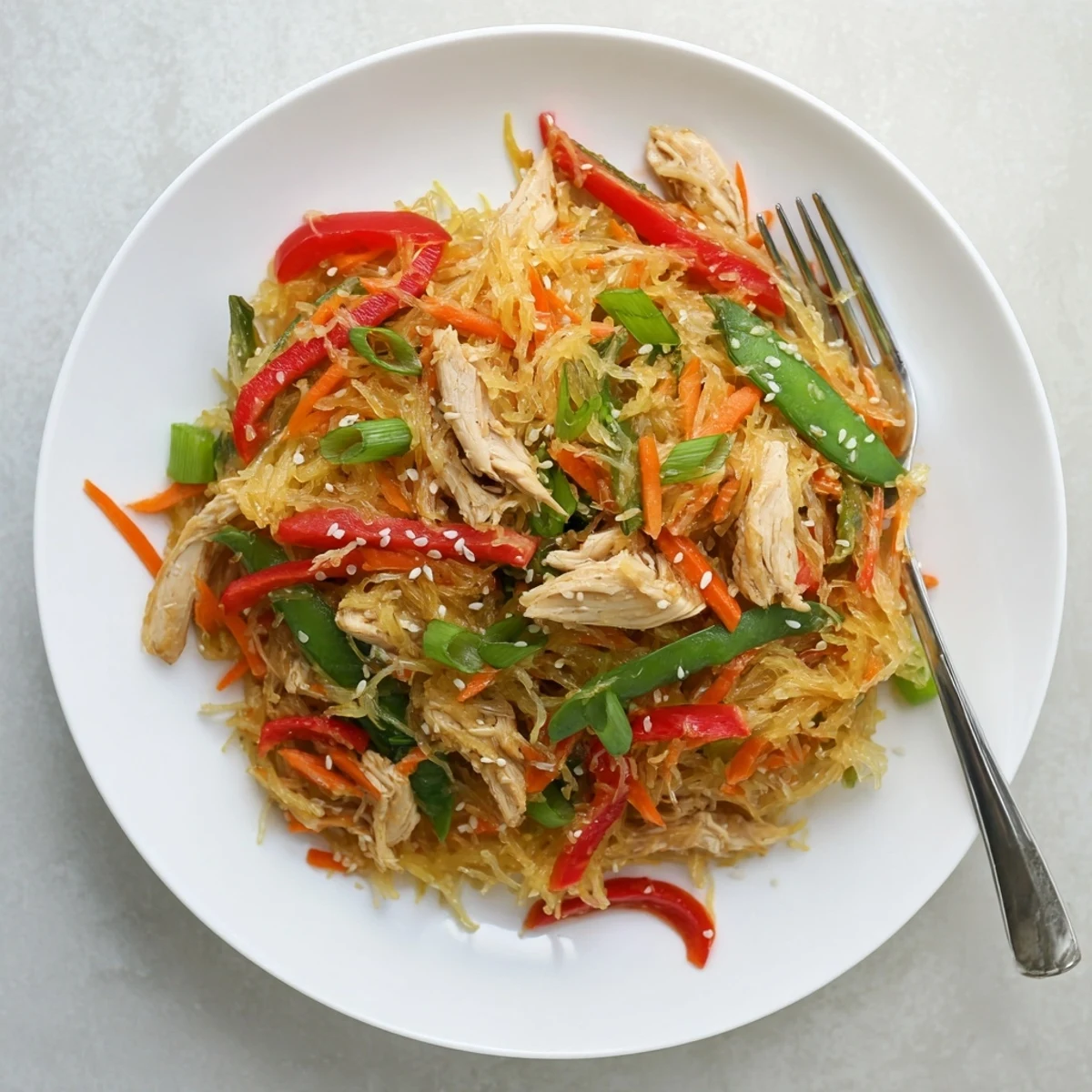
Save This Asian-inspired dish transforms roasted spaghetti squash into tender noodle-like strands, creating a lighter, gluten-free alternative to traditional chow mein. The combination of crisp vegetables, tender chicken breast, and savory sauce delivers all the comfort of the classic while keeping carbs in check.
Preparation involves roasting the squash until tender, then shredding it into strands that perfectly mimic noodles. The quick stir-fry locks in freshness while the umami-rich sauce brings everything together with notes of garlic, ginger, and sesame.
The smell of sesame oil hitting a hot wok is enough to make me abandon whatever I was doing and wander into the kitchen, and that is exactly how I ended up hooked on spaghetti squash chicken chow mein.
One rainy Tuesday my neighbor knocked on my door holding a massive spaghetti squash from her garden, and I promised her dinner in return, which turned into an impromptu kitchen experiment that changed my weeknight rotation forever.
Ingredients
- 1 large spaghetti squash: This is your noodle base, so pick one that feels heavy for its size with a firm, unblemished skin.
- 1 cup shredded carrots: They add sweetness and that signature chow mein color.
- 1 red bell pepper, thinly sliced: Look for one with taut, shiny skin for the best crunch.
- 1 cup snap peas, trimmed: Snap peas bring a bright, fresh snap that balances the rich sauce.
- 2 green onions, sliced: Save these for garnish so they stay vivid and crisp.
- 2 cloves garlic, minced: Fresh garlic is nonnegotiable here, the jarred stuff lacks the punch.
- 1 inch piece fresh ginger, grated: Grate it finely so it melts into the dish rather than catching you with a fibrous bite.
- 2 boneless, skinless chicken breasts, thinly sliced: Slicing against the grain keeps every bite tender.
- 1/4 cup gluten free soy sauce (tamari): Tamari gives you that deep umami without any wheat.
- 1 tablespoon oyster sauce (gluten free if needed): This is the secret to that restaurant quality depth of flavor.
- 1 tablespoon sesame oil: A little goes a long way, use toasted sesame oil for maximum aroma.
- 1 tablespoon rice vinegar: It brightens the whole dish and cuts through the richness.
- 1 tablespoon honey or maple syrup: Just enough sweetness to round out the salty and sour notes.
- 1 teaspoon Sriracha (optional for heat): Add more if you like it fiery, or skip it entirely for a milder plate.
- 2 tablespoons vegetable oil: You need a neutral oil with a high smoke point for stir frying.
- 1 tablespoon sesame seeds (optional): Toast them in a dry pan for thirty seconds and they transform from decoration to flavor.
Instructions
- Roast the squash:
- Preheat your oven to 400 degrees F, halve the squash lengthwise, scoop out the seeds, brush the cut sides with oil, and roast face down on a tray for 35 to 40 minutes until a fork pierces the skin easily.
- Whisk the sauce:
- While the squash works its magic, combine the tamari, oyster sauce, sesame oil, rice vinegar, honey, and Sriracha in a small bowl and give it a good whisk until the honey dissolves.
- Sear the chicken:
- Heat one tablespoon of oil in a large skillet or wok over medium high heat, spread the chicken in a single layer, and let it sit undisturbed for two minutes so it actually browns before you stir.
- Stir fry the vegetables:
- Add the remaining oil to the same pan, toss in the garlic, ginger, carrots, bell pepper, and snap peas, and keep everything moving for three to four minutes until just tender but still brightly colored.
- Shred the squash:
- Let the roasted squash cool just enough to handle, then drag a fork through the flesh and watch it separate into golden strands that look remarkably like noodles.
- Bring it all together:
- Add the squash strands to the skillet with the vegetables, return the chicken, pour the sauce over everything, and toss vigorously for two to three minutes until every strand is coated and glistening.
- Finish and serve:
- Scatter the sliced green onions and sesame seeds over the top and serve immediately while the aromatics are still fragrant and the vegetables have their snap.
 Save
Save My neighbor came back for seconds that night, and then again the next week with another squash, and now we have a standing Tuesday dinner arrangement that neither of us plans to break.
Making It Your Own
This recipe is endlessly adaptable once you understand the basic formula of squash plus protein plus vegetables plus sauce.
Swaps and Substitutions
Try sliced shiitake mushrooms or a handful of shredded napa cabbage tucked in with the vegetables for extra volume and texture.
What to Serve Alongside
A cup of hot jasmine tea or a glass of crisp white wine sitting next to this plate makes a weeknight dinner feel unexpectedly special.
- Keep extra Sriracha on the table for anyone who wants more heat.
- Leftovers reheat beautifully in a skillet with a splash of water.
- Always double check sauce labels if gluten is a concern for anyone at your table.
 Save
Save Some recipes earn a permanent spot in your kitchen simply because they make you happy every single time you make them, and this one earns its place with the very first forkful.
Recipe FAQs
- → Is spaghetti squash a good pasta substitute?
-
Spaghetti squash creates excellent noodle-like strands when roasted and shredded, offering a lighter alternative to traditional pasta with only 42 calories per cup compared to 220 calories for regular pasta.
- → Can I make this vegetarian?
-
Substitute the chicken with extra firm tofu, tempeh, or additional vegetables like mushrooms and cabbage. Use vegetarian oyster sauce or mushroom sauce instead of regular oyster sauce.
- → How do I know when the squash is done roasting?
-
The squash is ready when the flesh is tender and easily shreds into strands with a fork. This typically takes 35–40 minutes at 400°F. You should be able to pierce the skin easily with a paring knife.
- → Can I prepare this ahead of time?
-
Roast and shred the squash up to 3 days in advance. Store in an airtight container in the refrigerator. The sauce can be whisked together and kept for up to a week. Complete the stir-fry just before serving for best texture.
- → What vegetables work best in this dish?
-
Beyond the listed ingredients, try adding shredded cabbage, sliced mushrooms, bean sprouts, bok choy, or water chestnuts for extra crunch and nutrition. Adjust cooking time based on vegetable density.
- → Is this dish keto-friendly?
-
This dish is low-carb and naturally keto-friendly, with only 27 grams of carbohydrates per serving. The squash provides fiber and nutrients while keeping blood sugar stable. Verify your sauce ingredients are keto-compliant.