
 Save
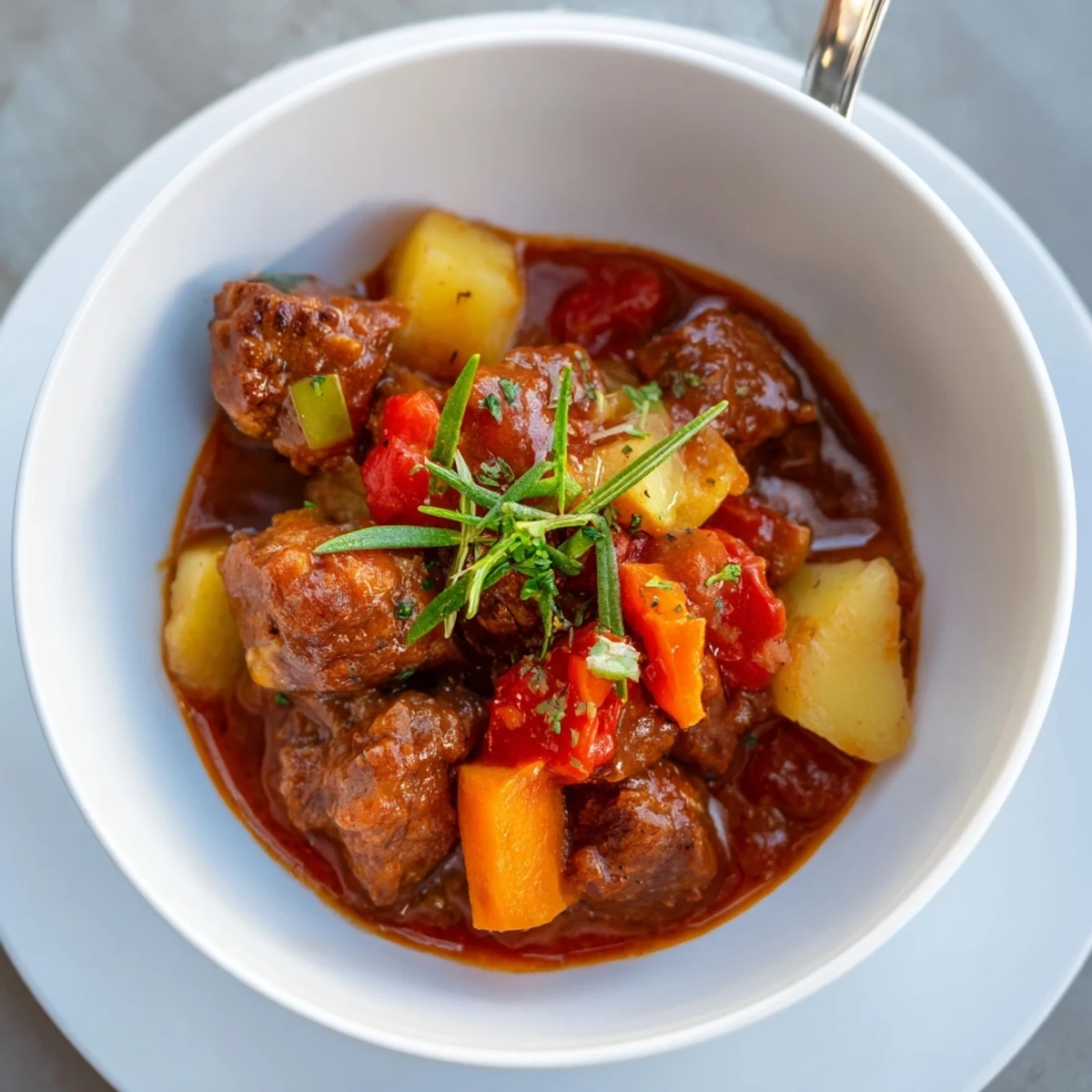
Save Spezzatino di Manzo begins with well-seasoned beef chuck browned in olive oil, deglazed with dry red wine, then simmered with diced tomatoes, beef broth, bay leaves, thyme and rosemary until fork-tender. After about 1.5 hours add potatoes and cook uncovered until the sauce reduces and both meat and potatoes are soft. Total time ~2h20; serves 4. Make ahead to deepen flavors, reheat gently and discard herb stems before serving with polenta or crusty bread.
The rain hammered against my kitchen window one November evening, and I stood there wondering what could possibly make the cold feel welcome instead of intrusive. My neighbor Lucia had pressed a scribbled note into my hand days earlier, her handwriting a charming disaster of Italian and English, insisting I try her mother's spezzatino. That night I finally listened, and the aroma that filled my apartment two hours later made me forgive the rain entirely.
I made this for my brother the following weekend, the kind of person who eats standing over the sink and considers cereal a dinner. He sat down at the table, used bread to mop his bowl clean, and then asked for seconds without a trace of embarrassment. That silence during eating is the highest compliment a cook can receive.
Ingredients
- Beef chuck (800 g, cubed): This cut has the right balance of fat and connective tissue that melts into tenderness over low heat.
- Carrots (2 medium, sliced): They add natural sweetness that balances the acidity of the tomatoes and wine.
- Celery (2 stalks, chopped): An unsung hero that builds the foundational flavor base alongside carrots and onion.
- Yellow onion (1 large, finely chopped): Chop it small so it practically dissolves into the sauce as it cooks.
- Potatoes (2 medium, cubed): Added later so they hold their shape while soaking up the rich braising liquid.
- Garlic (2 cloves, minced): Fresh garlic added toward the end of the sauté keeps its aroma bright and punchy.
- Canned diced tomatoes (400 g): San Marzano if you can find them, the sweetness and low acidity make a noticeable difference.
- Beef broth (500 ml): Low sodium gives you control over the final seasoning.
- Dry red wine (120 ml): Something you would actually drink, because you can taste a bad wine more clearly after it reduces.
- Tomato paste (2 tbsp): A quick bloom in the pot deepens color and concentrates umami.
- Extra virgin olive oil (2 tbsp): Use a decent one for searing, it matters more than people think.
- Bay leaves, thyme, and rosemary: Fresh herbs whisper rather than shout, but dried work beautifully if that is what your kitchen offers.
- Salt and black pepper: Season in layers throughout cooking, not just at the end.
Instructions
- Dry and season the beef:
- Spread the cubes on paper towels and press firmly on all sides. Moisture is the enemy of a proper sear, so do not skip this patient little step. Season generously with salt and pepper.
- Sear in batches:
- Heat the olive oil in your heaviest pot over medium high heat until it shimmers and just begins to smoke. Add beef in a single layer without crowding, and let it sit undisturbed until a deep brown crust forms before turning.
- Build the vegetable base:
- Lower the heat slightly and tumble in the onions, carrots, and celery with a pinch of salt. Scrape up every caramelized bit stuck to the bottom, because that is where the deepest flavor lives. Cook until everything softens and smells sweet, about five or six minutes, then stir in the garlic for one more minute.
- Bloom and deglaze:
- Stir the tomato paste into the vegetables and let it cook for two minutes until it darkens a shade. Pour in the wine and listen for that dramatic sizzle as it hits the hot pot, scraping with your wooden spoon to lift every last bit of fond. Let it reduce by half so the harsh alcohol burns off.
- Bring it all together:
- Return the beef and every drop of juice from the plate back into the pot. Add the tomatoes, broth, bay leaves, thyme, and rosemary, then stir gently and bring everything to a low simmer.
- Slow cook covered:
- Cover the pot and drop the heat to its lowest setting, just enough to maintain a gentle bubble here and there. Set a timer for ninety minutes and resist the urge to lift the lid constantly.
- Add potatoes and finish:
- Tuck the potato cubes into the liquid, taste the broth, and adjust salt and pepper as needed. Remove the lid now and let it bubble uncovered for thirty more minutes until the potatoes are tender and the sauce coats the back of a spoon.
- Rest and serve:
- Fish out the bay leaves and any tough herb stems before ladling into warm bowls. Serve over polenta or alongside crusty bread for soaking up every last bit of that sauce.
 Save
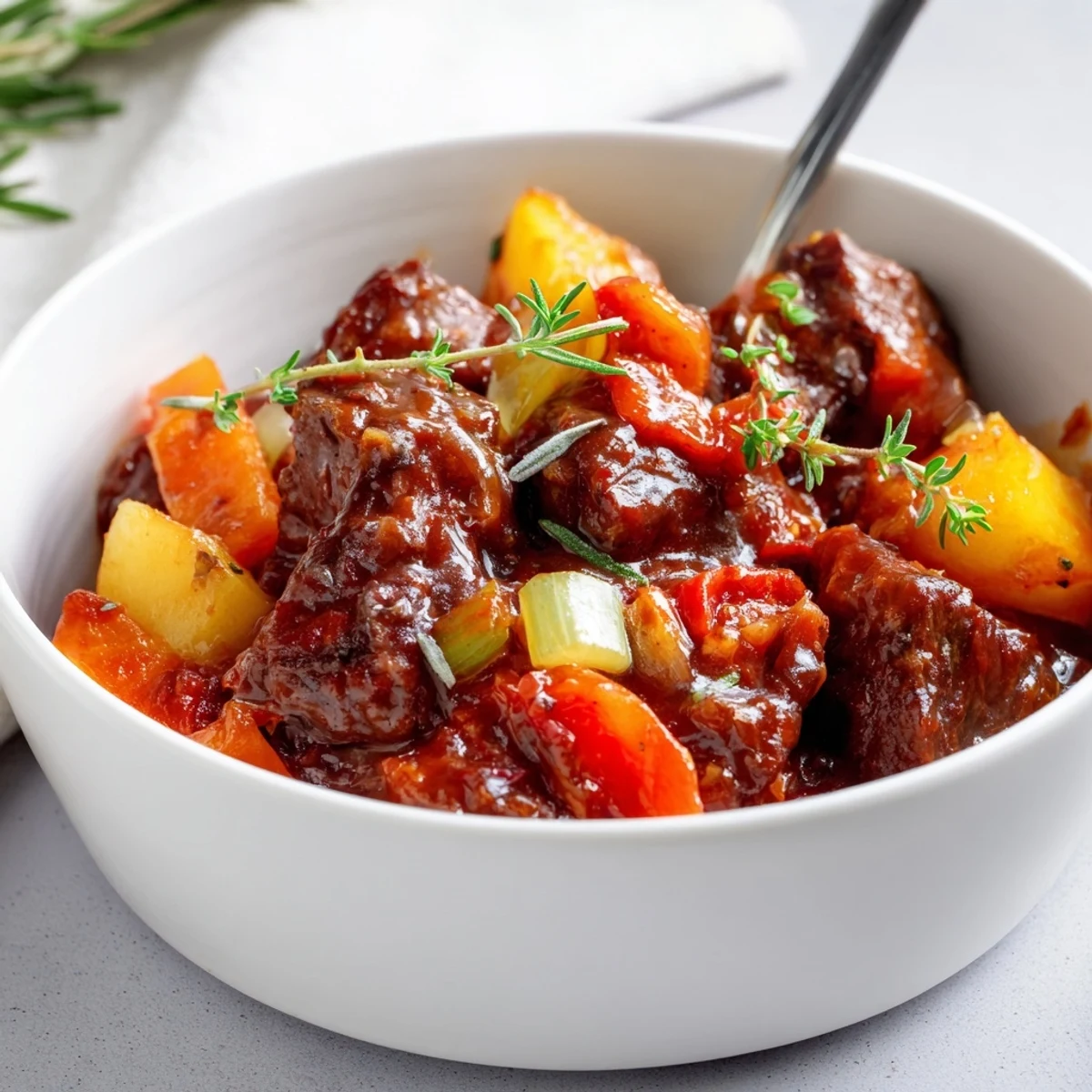
Save There is something quietly profound about a pot of stew simmering on a Tuesday night, transforming ordinary groceries into something that feels like a gift you made for yourself.
Choosing the Right Cut of Beef
Chuck is the traditional choice and for good reason, but do not overlook brisket or even oxtail if you want something richer. The key is choosing a cut with visible marbling and connective tissue that will break down during the long braise. Lean cuts like sirloin will dry out and leave you chewing when you should be savoring.
What to Serve Alongside
Soft polenta is my favorite canvas for spezzatino, its creaminess acting like a pillow for the rich sauce. Crusty bread works when you want something simpler, and mashed potatoes are never a wrong answer. A bottle of Chianti or Barbera on the table turns dinner into an occasion without any extra effort.
Making It Your Own
This stew forgives substitutions and welcomes improvisation with open arms. Try adding mushrooms in the last thirty minutes for an earthy depth, or toss in a handful of peas for color and sweetness. The bones of the recipe are sturdy enough to hold whatever your refrigerator offers.
- Fresh herbs can be swapped for dried at roughly one third the quantity.
- A Parmesan rind tossed into the simmering liquid adds a savory boost worth remembering.
- Always taste and adjust salt at the end, because reduction concentrates seasoning dramatically.
 Save
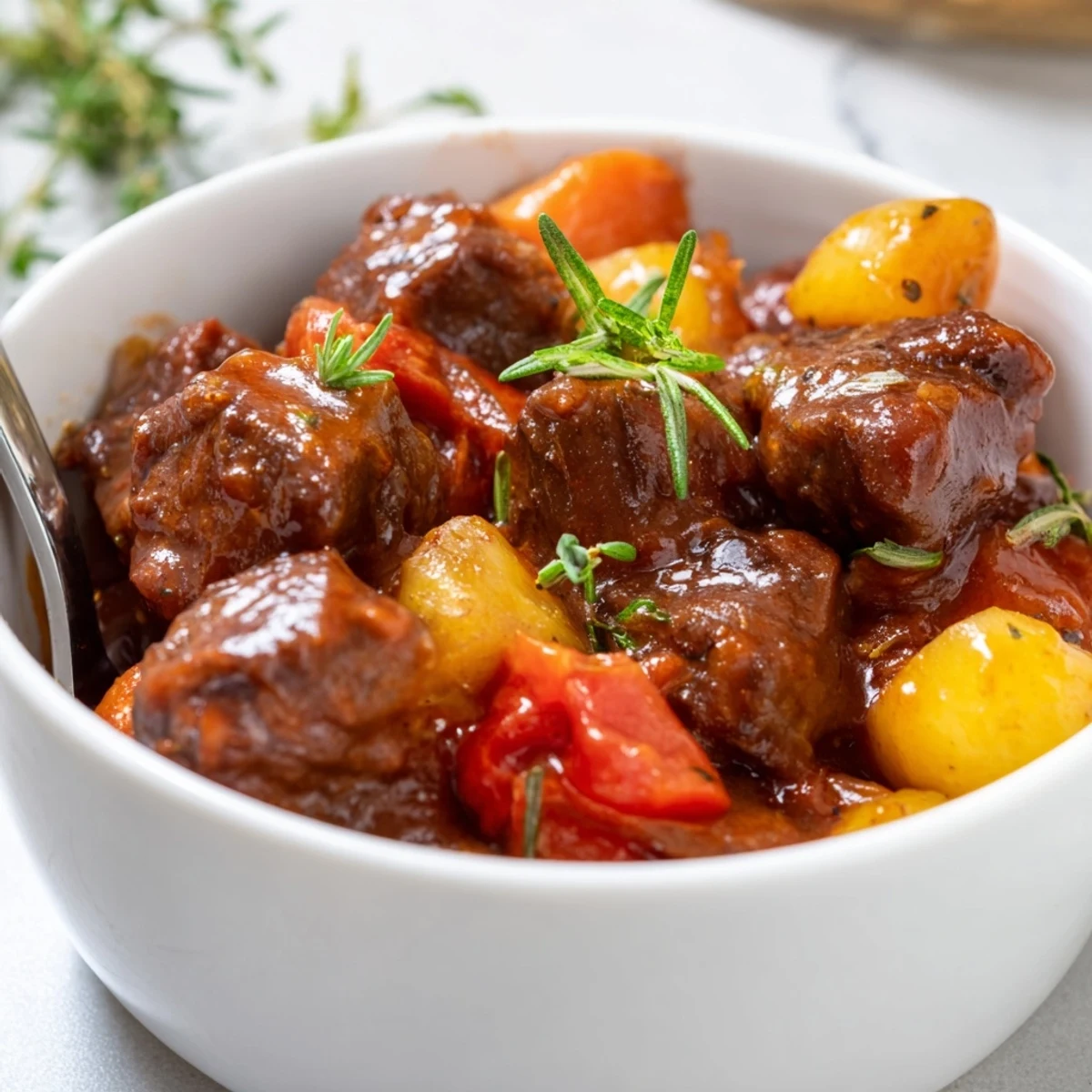
Save Some recipes feed you, and some recipes remind you that feeding yourself well is a quiet form of kindness. This stew does both, one spoonful at a time.
Recipe FAQs
- → Which cut of beef works best?
-
Beef chuck is ideal: it has enough connective tissue to become tender and silky when slow-braised, delivering rich flavor and a satisfying mouthfeel.
- → How do I get a deep browned flavor?
-
Pat meat dry, season well, and brown in batches in hot oil without crowding the pot. Allow fond to form, then deglaze with red wine to lift those browned bits into the sauce.
- → Can I substitute the wine?
-
Use extra beef broth or a mix of broth and a splash of balsamic for acidity if you need to omit wine; the braise benefits from a bit of acid to balance the tomatoes and fat.
- → How do I thicken the sauce?
-
Reduce uncovered at the end of cooking to concentrate flavors and thicken naturally. For a quicker finish, mash a few potato pieces into the sauce or stir in a small slurry of cornstarch and water.
- → Can this be prepared ahead?
-
Yes. Cooling and refrigerating overnight deepens the flavors; gently reheat on low and adjust seasoning before serving. The sauce often benefits from resting time.
- → What are good serving options?
-
Serve with soft polenta, mashed potatoes, or rustic crusty bread to soak up the sauce. A medium-bodied red like Chianti or Barbera pairs nicely if serving wine.