
 Save
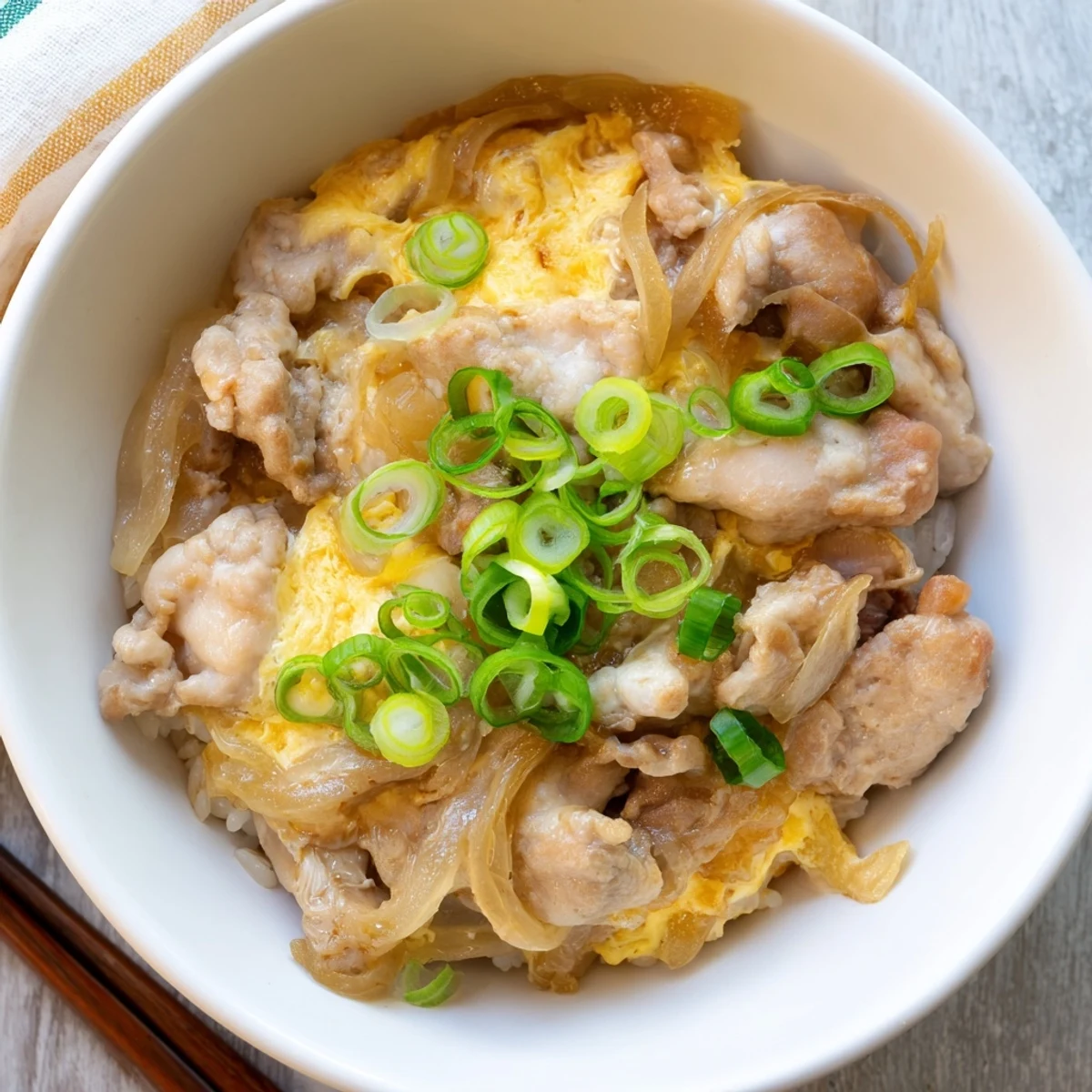
Save Experience the comfort of authentic Japanese home cooking with this classic one-pot dish. Succulent chicken thighs and silky eggs simmer together in a perfectly balanced dashi-based sauce, creating that signature umami-rich flavor that makes Oyakodon beloved worldwide. The entire dish comes together in just 30 minutes, making it ideal for busy weeknights when you want something nourishing without spending hours in the kitchen.
The beauty lies in its simplicity: layer onions and chicken in a sweet-savory broth, let them simmer until tender, then finish with beaten eggs that create gorgeous creamy curds. Serve over steaming Japanese short-grain rice for a complete meal that's both satisfying and wholesome. Perfect for meal prep too—the flavors only get better overnight.
The steam rising from my tiny apartment kitchen carried that perfect blend of sweet soy and simmering dashi, instantly transporting me back to a crowded Tokyo counter where I first watched a chef construct this bowl with practiced precision. There's something deeply satisfying about a meal that comes together in one vessel, where the eggs settle like clouds over the tender chicken below.
I remember standing over my stove on a Tuesday evening, watching the bubbles break through the beaten eggs as they transformed from liquid to soft curds. My roommate wandered in, drawn by the smell, and ended up staying for dinner, which turned into a weekly ritual we both looked forward to after long days.
Ingredients
- Chicken thighs: The extra fat keeps things juicy during the simmer, and they hold up better than breast meat in the hot sauce
- Yellow onion: Thinly sliced becomes translucent and sweet as it cooks down in the dashi mixture
- Dashi stock: This is the backbone of the dish, though chicken stock works perfectly fine if that's what you have on hand
- Soy sauce, mirin, sake, and sugar: This quartet creates that quintessential Japanese flavor profile that feels like comfort
- Eggs: Beaten lightly and poured over at the very end, they should remain slightly custard-like when served
- Hot Japanese rice: Short grain rice is non negotiable here because its slight clinginess helps capture every drop of sauce
Instructions
- Start the base:
- Combine dashi, soy sauce, mirin, sake, and sugar in your pan, letting the sugar dissolve completely as it heats
- Soften the onions:
- Add the sliced onions and let them cook for about three minutes until they're translucent and fragrant
- Add the chicken:
- Layer the chicken pieces directly over the onions, then cover and simmer until cooked through
- Finish with eggs:
- Pour the beaten eggs evenly across the surface, cover again, and cook just until softly set
- Assemble the bowls:
- Spoon hot rice into each bowl and gently slide the chicken, egg, and sauce on top
 Save
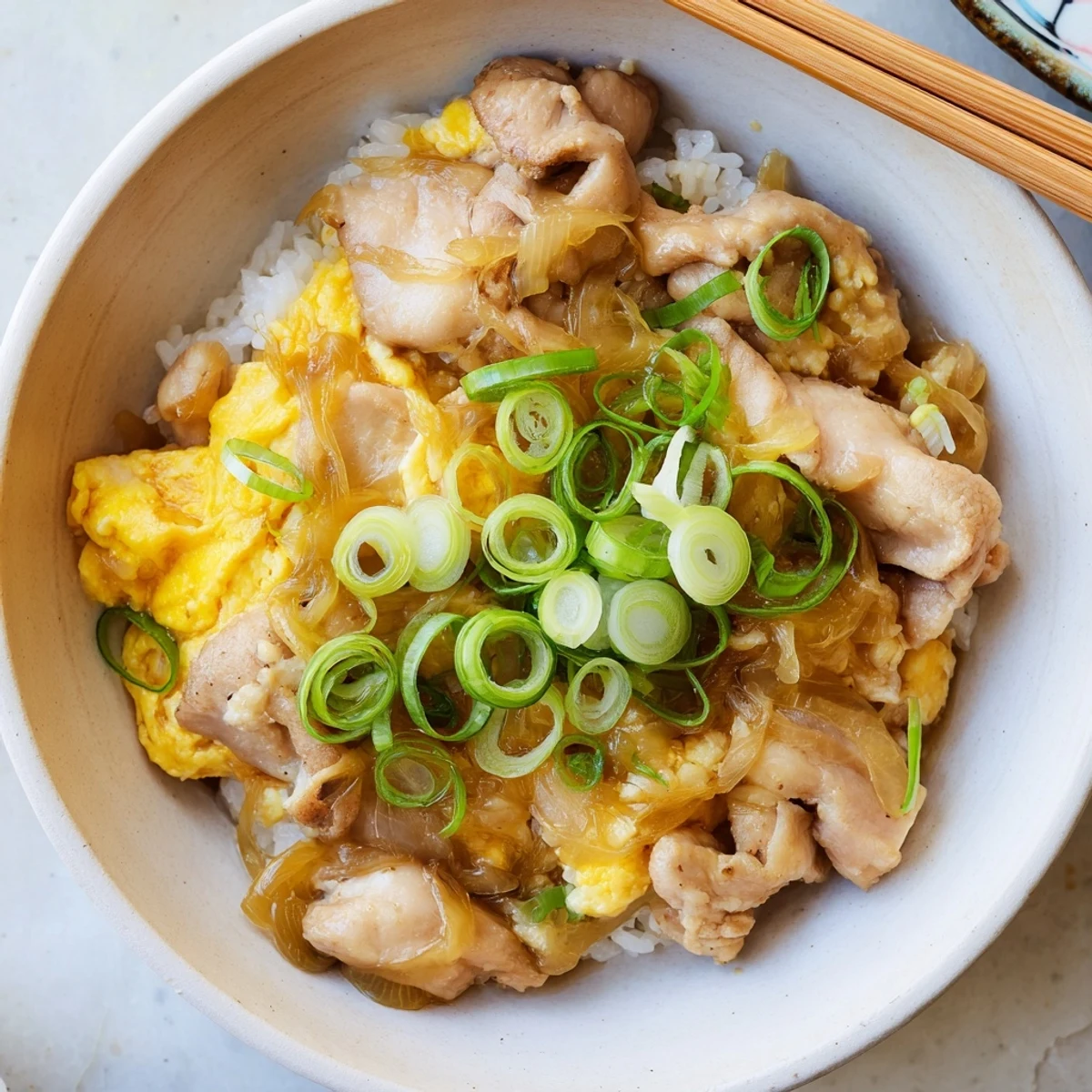
Save This became the meal I made for friends recovering from the flu, the late night comfort food after terrible days, and eventually the dish my partner requested for our first date dinner at home. There's something about being served a steaming bowl of rice and tender eggs that makes people feel cared for in the most fundamental way.
Getting The Rice Right
Japanese short grain rice needs to be cooked properly, rinsed until the water runs clear before cooking to remove excess starch. The grains should cling together slightly without becoming mushy, creating the perfect foundation for the saucy toppings.
Timing Everything Perfectly
The key is having your rice ready and hot before you start cooking the topping. Oyakodon waits for no one, and the eggs must be served immediately after they reach that perfect custard consistency.
Making It Your Own
While this classic preparation is hard to improve upon, you can add shiitake mushrooms with the onions or spinach just before adding the eggs. Some people like to drizzle a little sesame oil over the finished bowl.
- Use tamari instead of soy sauce if you need it gluten free
- Chicken breast works but watch it closely to avoid drying out
- Adjust the sugar level based on your personal taste preference
 Save
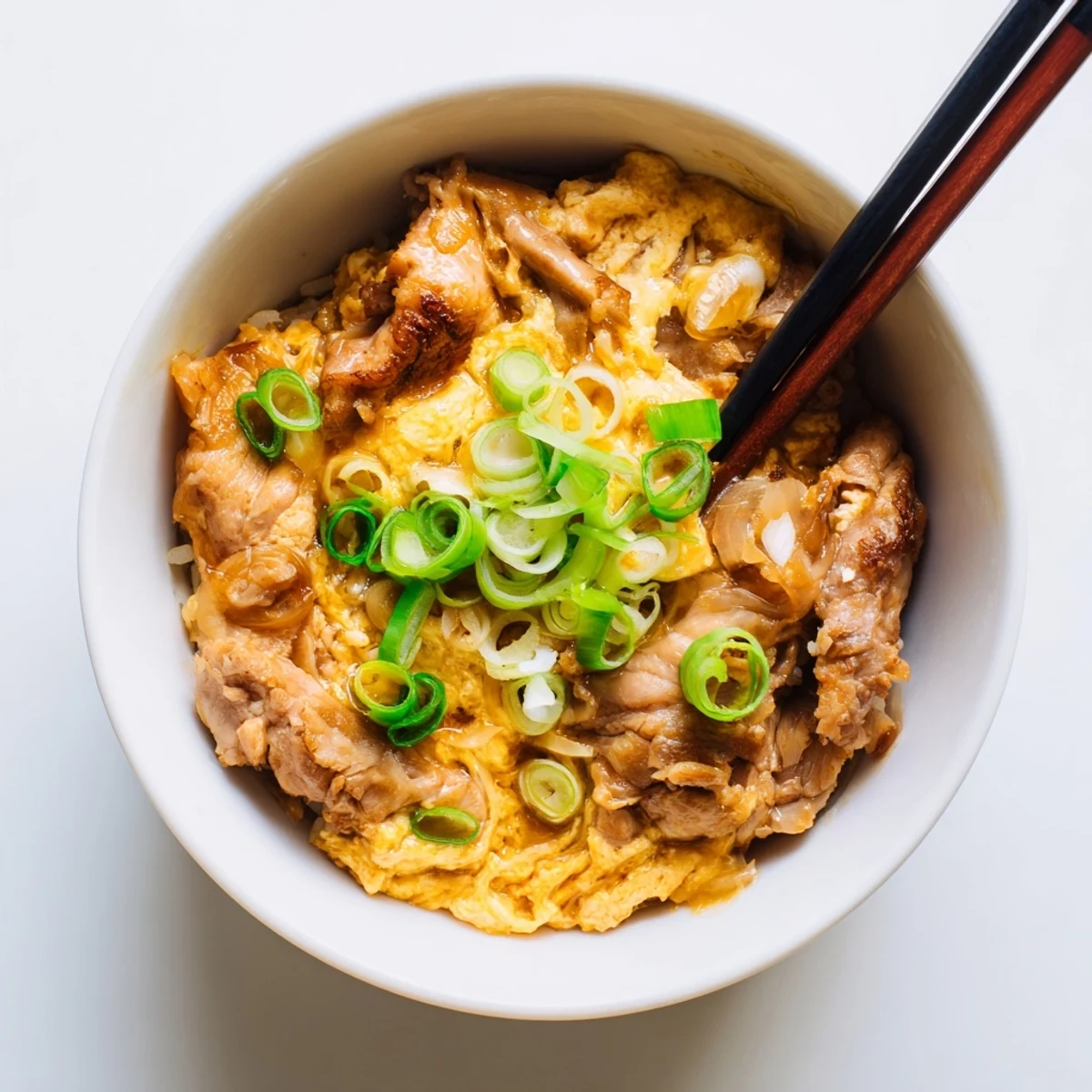
Save Garnish with those fresh spring onions right before serving and eat while it's piping hot, letting the simple combination of ingredients speak for themselves.
Recipe FAQs
- → What makes Oyakodon authentic?
-
Authentic Oyakodon relies on the proper balance of dashi stock, soy sauce, mirin, sake, and sugar. The technique of simmering chicken and onions before adding beaten eggs creates distinct layers of flavor and texture that define this classic Japanese comfort dish.
- → Can I make this gluten-free?
-
Absolutely. Substitute regular soy sauce with tamari and ensure your mirin and sake are certified gluten-free. The flavor profile remains virtually identical while making it suitable for those with gluten sensitivities.
- → Why should I use chicken thighs instead of breast?
-
Chicken thighs contain more fat and connective tissue, which keeps the meat juicy and tender during simmering. Breast meat can dry out more easily, though it works if that's what you have available or prefer.
- → How runny should the eggs be?
-
The eggs should be softly set with a slightly runny consistency, similar to a soft scramble. They continue cooking from residual heat, so removing them while still slightly loose ensures they don't become rubbery or overcooked.
- → Can I prepare components in advance?
-
You can slice the onions and cut the chicken ahead of time, storing them refrigerated for up to 24 hours. The sauce can be mixed beforehand as well. However, cook everything fresh for the best texture and flavor, particularly the eggs.
- → What rice works best for Oyakodon?
-
Japanese short-grain rice or sushi rice is ideal because its sticky texture helps hold everything together. Medium-grain rice works as a substitute, but long-grain varieties like basmati don't provide the traditional mouthfeel.