
 Save
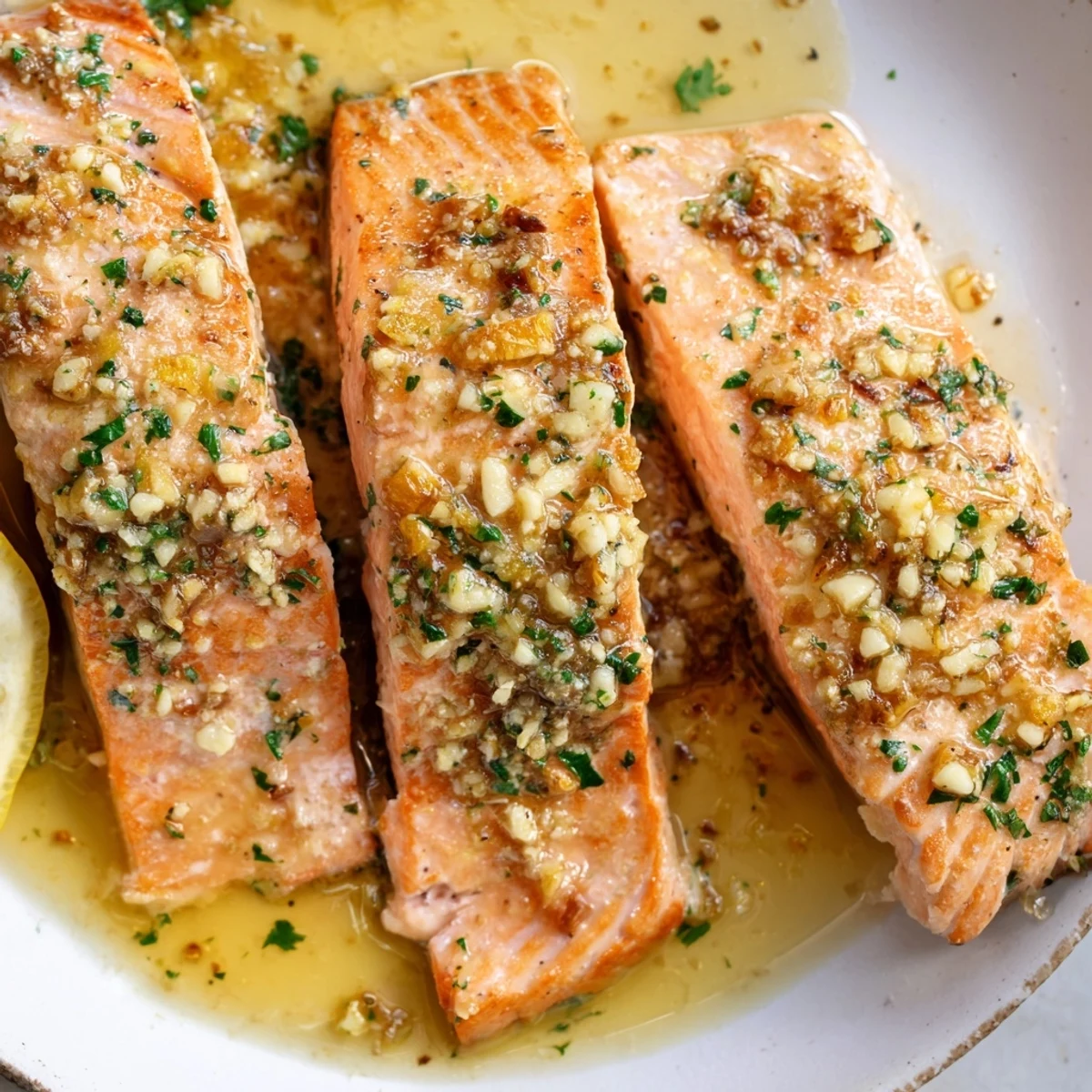
Save This garlic butter salmon combines succulent pan-seared fillets with a rich, aromatic sauce made from melted butter, sautéed garlic, fresh lemon zest and juice, and chopped parsley. The salmon develops a crispy skin while remaining tender and flaky inside.
Ready in just 25 minutes with 10 minutes of prep and 15 minutes of cooking, it's an ideal choice for both busy weeknights and special occasions. Each serving provides 32g of protein and only 3g of carbohydrates, making it suitable for low-carb and pescatarian diets.
Serve alongside steamed vegetables, rice, or with a crisp Sauvignon Blanc for a complete meal that feels restaurant-worthy with minimal effort.
The sound of butter hitting a hot pan on a Tuesday evening is, in my opinion, one of life's most underrated comforts. Garlic Butter Salmon came into my life during a phase where I was determined to stop ordering takeout on weeknights and actually use the fish counter at my local market. What hooked me was the sauce: golden, fragrant, pooling around perfectly seared fish, requiring nothing more than a hunk of bread to mop it all up.
My neighbor Karen knocked on my door one evening asking if I had any lemons to spare, right as I was pulling a pan of this salmon off the stove. She took one whiff, abandoned the lemon request, and invited herself to dinner. We sat at the kitchen counter with glasses of wine, tearing into the fish with forks straight from the shared plate.
Ingredients
- 4 salmon fillets, about 170 g each, skin on or off: Skin on gives you that satisfying crackle when seared properly, but skin off works beautifully if you prefer ease over crunch.
- 4 tbsp unsalted butter: Unsalted lets you control the seasoning, and you want real butter here because it creates the silky, nutty backbone of the sauce.
- 4 cloves garlic, minced: Fresh garlic only, pressed or minced as finely as you can manage so it melts into the butter without leaving harsh chunks.
- 1 lemon, zested and juiced: The zest brings bright floral oils while the juice adds the acidity that cuts through the richness of the butter and fish.
- 2 tbsp fresh parsley, finely chopped: Flat leaf parsley has more flavor than curly, and adding it at different stages layers the freshness throughout the dish.
- 1 tbsp olive oil: Used for the initial sear because it handles high heat better than butter without burning.
- Salt and freshly ground black pepper: Season generously on both sides of the fish before it hits the pan.
- Lemon wedges and extra parsley for garnish: Entirely optional but they make the plate look like you tried much harder than you actually did.
Instructions
- Dry and season the salmon:
- Pat each fillet thoroughly with paper towels until the surface is completely dry, then season both sides with salt and pepper. Wet salmon steams instead of sears, so do not rush this step.
- Get the pan screaming hot:
- Heat olive oil in a large skillet over medium high heat until you see the first wisps of smoke. Lay the fillets skin side down and press gently with a spatula for the first ten seconds to prevent curling, then let them cook undisturbed for four to five minutes.
- Flip and finish the fish:
- Flip the salmon and cook for another two to three minutes until it reaches your preferred doneness, then transfer to a plate and set aside. The center should still have a hint of translucence if you like it medium.
- Build the garlic butter sauce:
- Reduce the heat to medium and add the butter to the same skillet, letting it melt and foam. Add the minced garlic and stir constantly for about one minute until your kitchen smells incredible, watching carefully so the garlic never turns brown.
- Add brightness and herbs:
- Stir in the lemon zest, lemon juice, and half the chopped parsley, letting the sauce bubble for thirty seconds. This quick simmer melds everything together without cooking away the fresh flavors.
- Bring it all together:
- Return the salmon to the skillet and spoon the garlic butter sauce generously over each fillet, cooking for one more minute so the fish absorbs those flavors. Serve immediately with extra sauce spooned on top, lemon wedges on the side, and a final scatter of parsley.
 Save
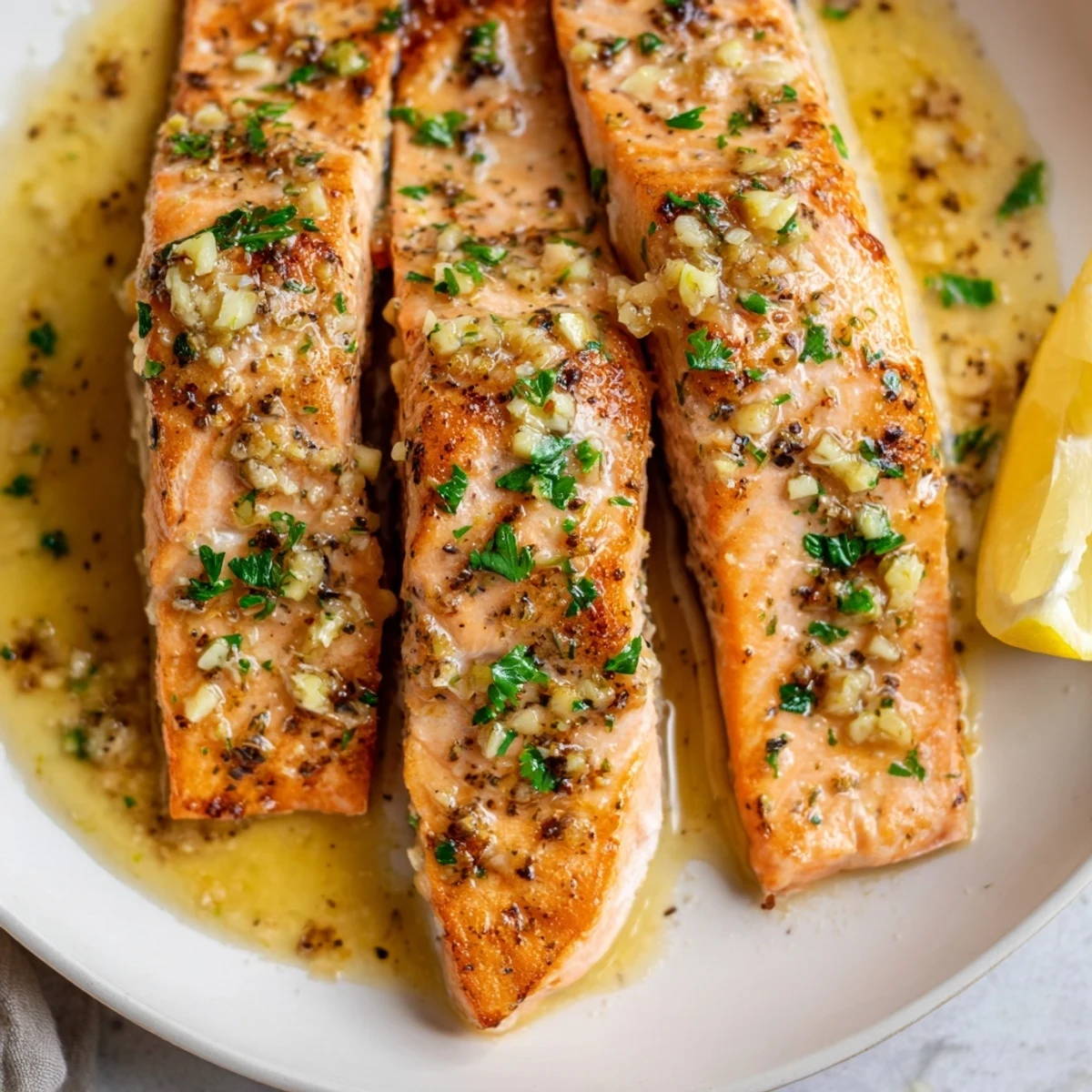
Save There is something quietly powerful about a dish that looks restaurant worthy but requires almost no technique. This salmon has rescued countless weeknight dinners at my house, and every time I make it, someone asks for the recipe as if I have been hiding a secret.
What to Serve Alongside
Steamed broccoli or asparagus tossed with a little of the extra garlic butter makes the meal feel complete without extra effort. A pile of fluffy rice or mashed potatoes underneath soaks up every last drop of sauce, which is honestly the best part. A glass of cold Sauvignon Blanc beside the plate turns a random weeknight into something that feels deliberate and special.
Swaps and Variations
Dill or chives can replace the parsley entirely, and each one shifts the personality of the dish in a different direction. A pinch of red pepper flakes in the butter adds warmth without overwhelming the delicate fish. For a dairy free version, a good quality plant based butter works surprisingly well, though the sauce will taste slightly sweeter.
Tools That Make It Easier
A wide heavy bottomed skillet, preferably cast iron or stainless steel, gives the best sear and most even heat distribution. A thin flexible spatula slides under the fish cleanly without breaking it apart. Keep these simple things in mind and the process stays stress free from start to finish.
- A citrus zester or the fine holes on a box grater extracts maximum flavor from the lemon peel without the bitter white pith underneath.
- A sharp knife makes quick work of mincing garlic evenly so no piece is large enough to burn.
- Have all your ingredients measured and ready before you turn on the stove because once things start moving, they move fast.
 Save
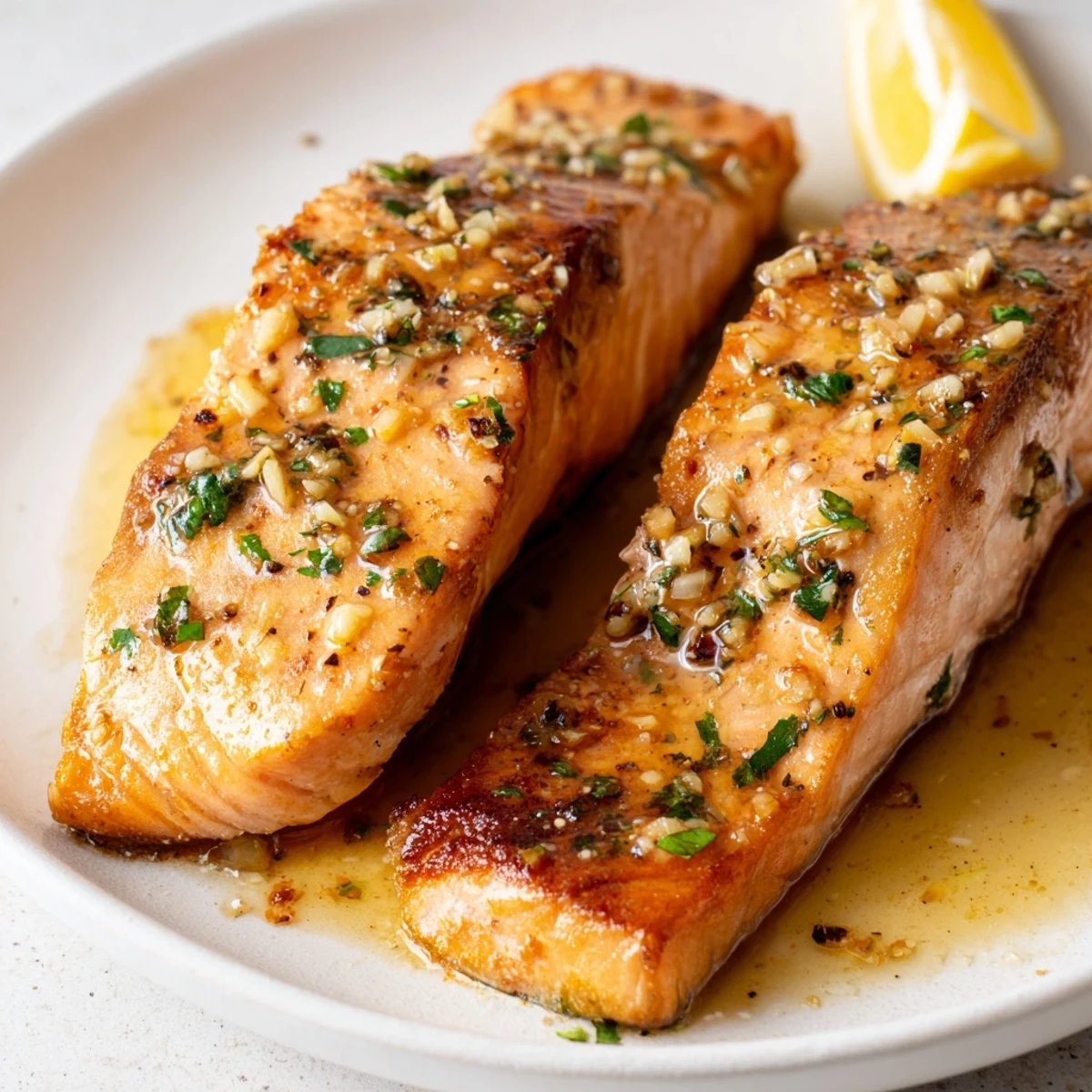
Save Some recipes earn a permanent spot in your rotation not because they are impressive, but because they are effortless and always hit the mark. This garlic butter salmon is that recipe for me, and I suspect it will be for you too.
Recipe FAQs
- → How do I know when the salmon is fully cooked?
-
Salmon is done when it flakes easily with a fork and reaches an internal temperature of 63°C (145°F). The flesh should turn from translucent to opaque pink. For a moister result, you can remove it from heat slightly before fully cooked as it will continue cooking from residual heat.
- → Can I use frozen salmon fillets?
-
Yes, but thaw them completely in the refrigerator overnight before cooking. Pat the fillets thoroughly dry with paper towels before seasoning to ensure a proper sear and crispy skin.
- → What can I substitute for butter in this dish?
-
For a dairy-free version, use ghee, coconut oil, or a plant-based butter alternative. Keep in mind that each substitute will slightly alter the flavor profile. Ghee provides the closest taste to traditional butter while being suitable for some dairy-sensitive individuals.
- → Should I cook salmon with the skin on or off?
-
Cooking with the skin on helps protect the flesh from direct heat and keeps it moist. It also creates a crispy texture when seared properly. If you prefer skinless, simply remove it after cooking or ask your fishmonger to do it beforehand.
- → What side dishes pair well with garlic butter salmon?
-
Steamed vegetables like asparagus, broccoli, or green beans complement the richness of the garlic butter. A bed of rice, quinoa, or roasted baby potatoes also works wonderfully. For a lighter option, serve with a mixed green salad dressed with lemon vinaigrette.
- → How should I store and reheat leftovers?
-
Store leftover salmon in an airtight container in the refrigerator for up to 2 days. To reheat, warm gently in a skillet over low heat with a splash of water or additional butter to prevent drying out. Avoid microwaving as it can make the fish tough and rubbery.