
 Save
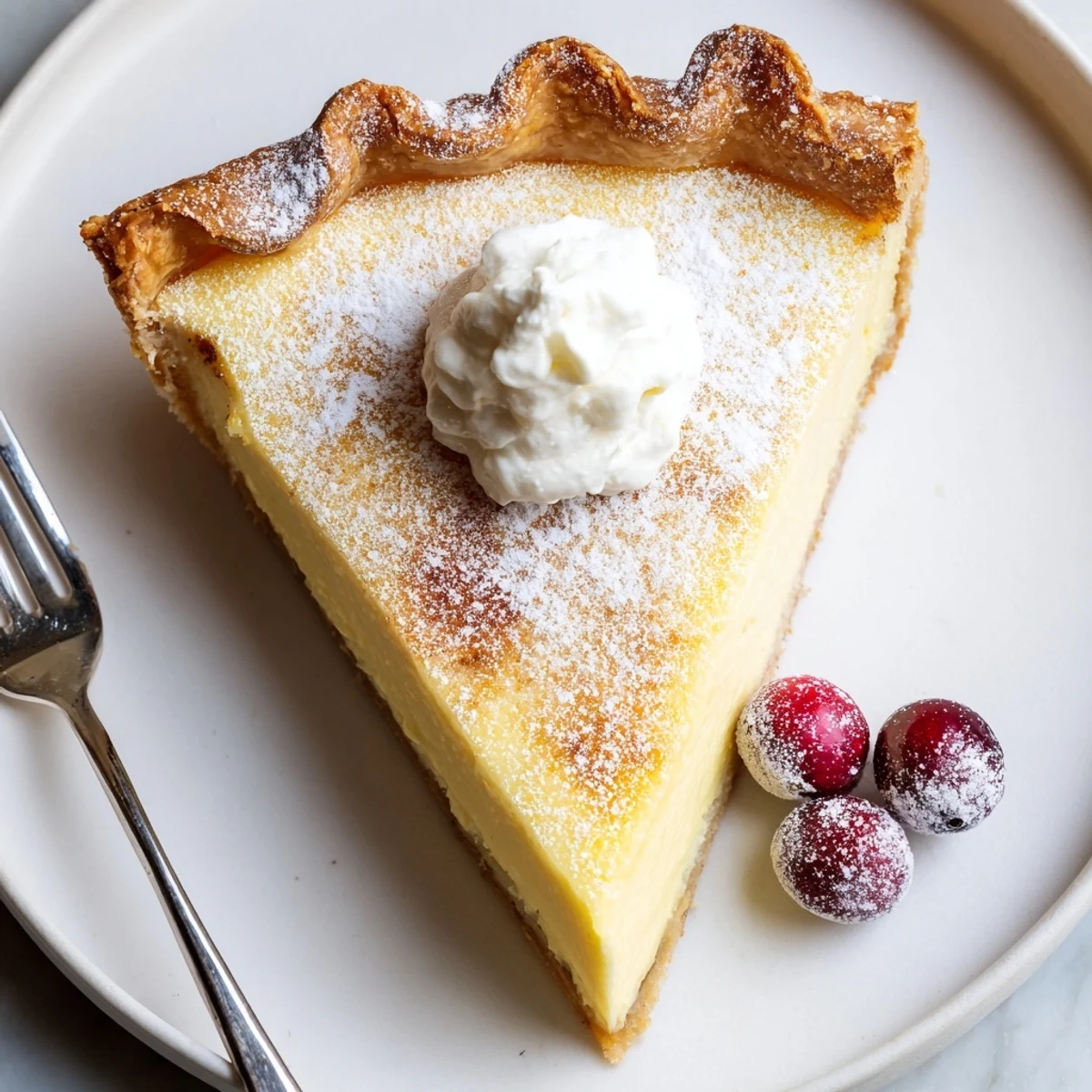
Save This custard pie combines whole milk, heavy cream, eggs, sugar and cornstarch for a silky filling scented with vanilla and ground cinnamon. Warm the dairy before whisking into eggs to temper, strain through a fine-mesh sieve for a smooth finish, then pour into a 9-inch crust. Bake at 350°F until the center is just set, cool, chill for at least 2 hours and dust with cinnamon.
The gentle hum of holiday music drifting through my kitchen always reminds me to slow down, especially when I'm whisking together the custard for this Christmas Eve pie. The aroma of cinnamon and vanilla curled up from the saucepan last year, and I caught myself grinning over how festive the whole place felt. It's the kind of dessert that nudges you into the moment with every creamy, cozy bite. There's nothing complicated here, just the quiet magic of good ingredients and time well spent.
On a snowy December evening, I baked this for my family after we spent the afternoon untangling holiday lights and laughing at our lopsided tree. We ended up around the pie, plates balanced on our knees, the custard still slightly warm because nobody could wait for it to chill. The way everyone lingered over seconds—and dusted more cinnamon on top—felt like the best kind of celebration. That simple moment is why this pie gets requested every Christmas, without fail.
Ingredients
- 1 (9-inch) unbaked pie crust: The sturdy base that lets the custard shine; I find keeping it extra cold before filling means the flakiest texture.
- 1 cup whole milk: Adds a soft richness that combines smoothly with cream.
- 1 cup heavy cream: Essential for that luscious, velvety custard finish; don't skimp here.
- 3 large eggs: They set the custard just enough—using room temperature eggs helps everything blend without lumps.
- 3/4 cup granulated sugar: Just sweet enough to balance the spice, so taste before adding extra.
- 2 tbsp cornstarch: My trick for extra silkiness and a pie that holds together even after slicing.
- 1 1/2 tsp vanilla extract: If you've got a good one, use it—it makes all the difference in aroma and depth.
- 1/2 tsp ground cinnamon: Warm and comforting, and I sometimes sneak in a pinch more for snowy days.
- 1/4 tsp fine sea salt: Sharpens every other flavor, so don't skip it even in dessert.
- 1/4 tsp ground cinnamon (topping): A final dusting just before serving makes the pie look irresistible.
- Powdered sugar (optional): Adds a gentle snowy look and a touch more sweetness if you like.
Instructions
- Prepare your crust:
- Fit your unbaked pie crust into a 9-inch pie pan, crimping or trimming the edges as you like, and let it chill in the fridge while you start the filling.
- Warm the dairy:
- In a medium saucepan, gently heat the milk and heavy cream over medium until they just begin to steam and send up little curls—not a bubble in sight—then remove from the burner.
- Mix the custard base:
- In a mixing bowl, whisk together your eggs, sugar, cornstarch, vanilla, cinnamon, and salt until it looks smooth and glossy.
- Temper and combine:
- Slowly pour the warm milk mixture into your eggs, whisking rapidly so you don't accidentally make scrambled eggs—the kitchen gets so fragrant at this stage.
- Strain for smoothness:
- Pass the custard through a fine-mesh sieve into a clean bowl; it's my not-so-secret way of keeping the filling impossibly creamy.
- Fill and bake:
- Pour the custard into your chilled crust, then bake at 350°F (175°C) for 45-50 minutes until the edges are set but the center still gives a tiny wobble; tent the crust with foil if it browns too quickly.
- Cool patiently:
- Move the pie to a wire rack and let it cool—even as the custard looks nearly set, it'll firm up more as it sits.
- Dress it up:
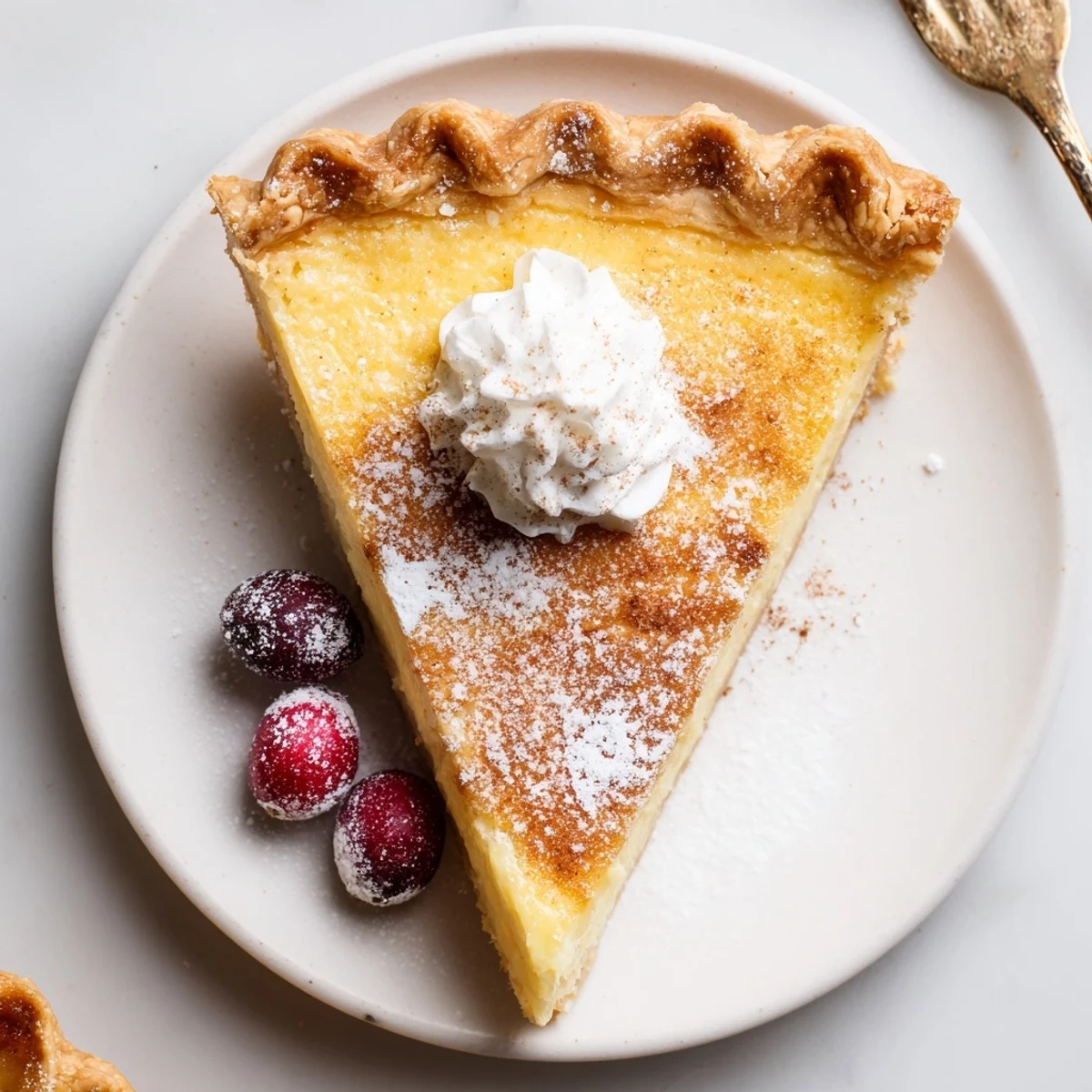
- A dusting of cinnamon and a veil of powdered sugar go on before serving, making it look as inviting as a fresh snowfall.
- Chill for easy slicing:
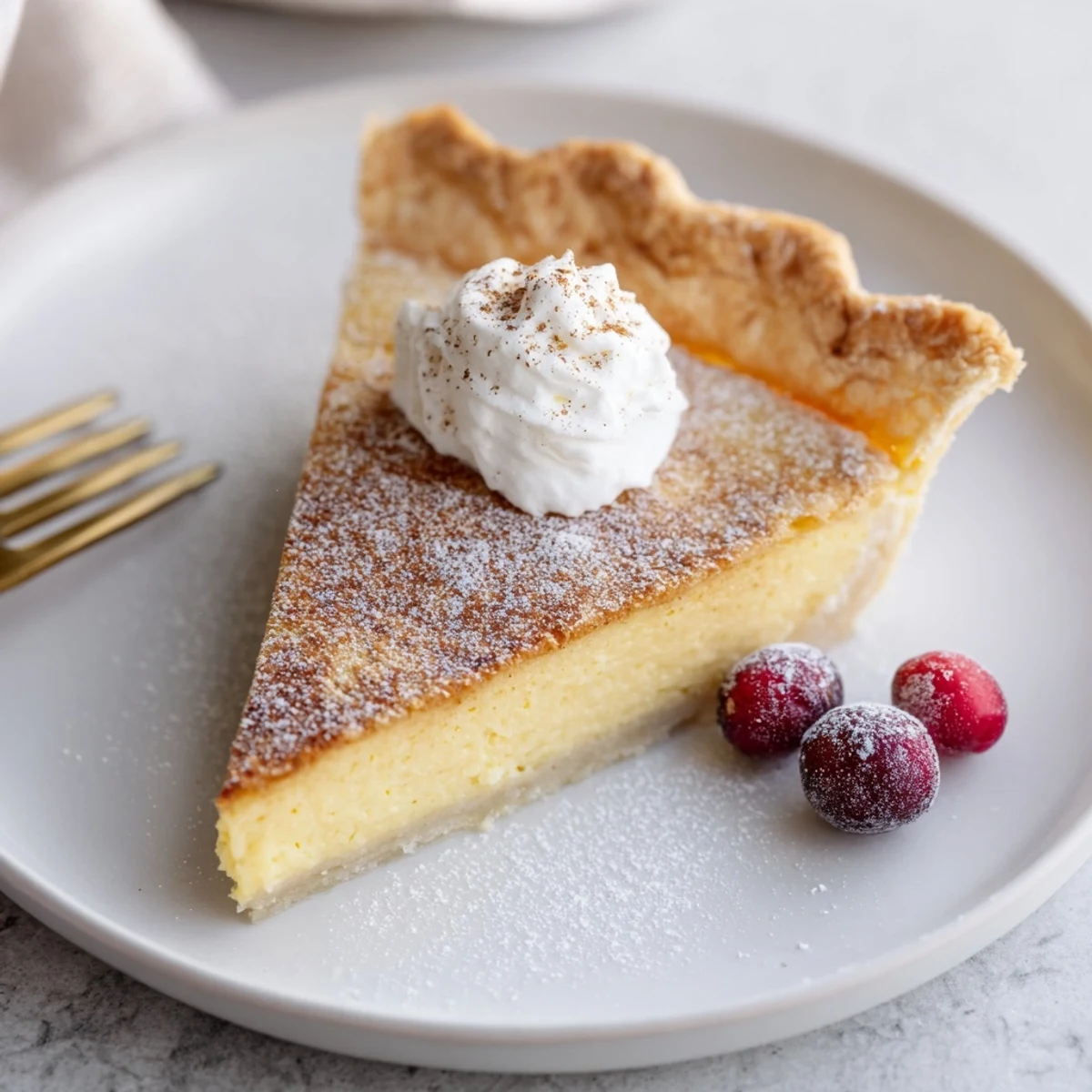
- Pop the cooled pie in the fridge for at least two hours so every wedge comes out beautifully neat.
 Save
Save When my neighbor brought her little girl over to exchange holiday cookies, I convinced her to try a sliver of this custard pie fresh from the fridge. Her eyes got wide, and she quietly took a second piece home for later—there's a quiet joy in making something that becomes someone's new favorite. That memory tumbles out every time I reach for the cinnamon jar in December. It's amazing how good food can make shared moments linger longer than you expect.
How to Make Your Kitchen Smell Like Christmas
I've found that baking this pie is almost as satisfying as eating it, because the combination of cinnamon, vanilla, and gently toasting pie crust feels like an instant mood-lifter. If you start the oven a little early and leave the door cracked open at the end of baking, the spicy warmth seems to hang in the air all night. Sometimes, I sprinkle an extra pinch of cinnamon near the edge of the pie just for that extra aromatic kick. That little adjustment makes my whole house feel festive until the last slice disappears.
Baking Without Stress: What I Learned
I used to fumble with the crust or panic if the custard wobbled too much, but now I know to trust the process. Custard pies are forgiving—tentting the edge with foil if it browns too fast, or letting the pie chill overnight, both work out perfectly. Every pie is a little different depending on your oven and the day, and that's half the charm. The main thing is to enjoy the quiet moments in between—it makes the pie taste better somehow.
Serving and Storage Tricks I Swear By
I always chill the pie for at least a couple of hours for the cleanest, dreamiest slices, and find that a hot knife dipped in water makes for show-off worthy pieces. Leftovers taste even better the next day (if there are any), and a quick dust of powdered sugar saves the look if someone poked at it early. If you want to take this pie to a party, assemble everything ahead and bake it fresh when you arrive for guaranteed applause.
- Wrap leftovers tightly to keep them creamy.
- A sharp, hot knife makes perfect slices without tears.
- Let the pie come to just below room temperature before serving for the smoothest texture.
 Save
Save Here's to cozy kitchens and slices of something truly special, even if the snow only falls inside your imagination. Wishing you a festive holiday and plenty of sweet moments to share.
Recipe FAQs
- → How do I prevent the custard from curdling?
-
Warm the milk and cream gently and add them slowly to the beaten eggs while whisking to temper. Strain the mixture before baking to remove any bits and ensure a smooth, silky set.
- → How can I tell when the custard is properly set?
-
The edges should be set and the center will still be slightly wobbly when gently shaken. It will continue to firm up as it cools and chills, so avoid overbaking to keep it creamy.
- → Can I use lower-fat milk or skip the cream?
-
Using lower-fat milk will yield a thinner texture; increase the cornstarch slightly or reduce baking time to help set. For best richness and mouthfeel, stick with whole milk and some cream.
- → Should I blind-bake the crust first?
-
You can use an unbaked crust as written, but if the bottom risks sogginess blind-baking briefly helps. Watch the edges and tent with foil if they brown too quickly during baking.
- → How long should leftovers be stored and how best to serve them?
-
Keep covered in the refrigerator for up to 3 days. Serve well chilled or brought to cool room temperature; a quick dusting of cinnamon or a dollop of whipped cream refreshes each slice.
- → Any good flavor or garnish variations?
-
Stir a splash of bourbon or brandy into the custard for depth. Garnish with sugared cranberries, citrus zest, or a light powdered sugar dusting to enhance festive presentation.