 Save
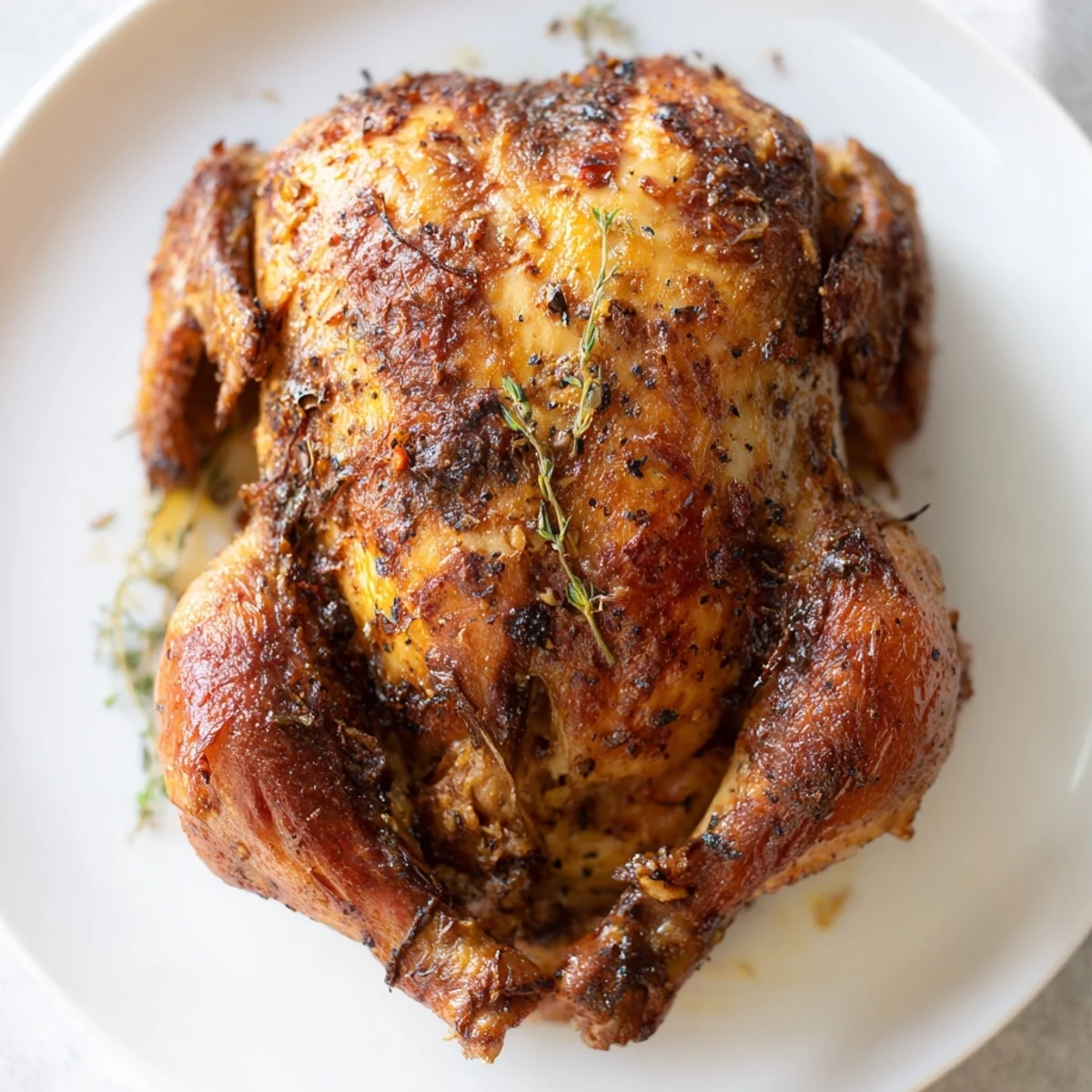
Save Marinate a spatchcocked or cut-up whole chicken in buttermilk, olive oil, garlic, lemon zest and spices for at least 8 hours to tenderize and flavor the meat. Pat dry, brush with oil and roast at 425°F (220°C) on a rack 45–60 minutes until skin is deep golden and internal temperature reaches 165°F (74°C). Rest 10 minutes before carving and finish with fresh herbs.
The sound of a screen door slamming and the smell of thyme hanging from the rafters, that is what buttermilk roasted chicken will always remind me of. My grandmother never measured anything, she just poured and sprinkled with the confidence of someone who had made this dish a hundred Sundays in a row. The buttermilk was always in a glass bottle on her counter, waiting. I think she liked the ritual more than the recipe itself.
One rainy Tuesday I decided to make this for a friend who had just moved into a bare apartment with nothing but a baking sheet and a lease. We sat on the floor eating it with our hands because there were no plates yet, and she said it was the best housewarming gift anyone had ever given her.
Ingredients
- 1 whole chicken (about 3 and a half to 4 lbs), backbone removed and flattened or cut into 8 pieces: Spatchcocking helps it cook evenly and gets more skin crispy, which is really the whole point.
- 2 cups buttermilk: This is the magic ingredient, its acidity breaks down proteins and keeps everything impossibly moist.
- 2 tbsp olive oil: Helps carry the flavors of the marinade across every surface.
- 4 garlic cloves, minced: Fresh garlic matters here, do not reach for the jarred kind.
- 1 tbsp kosher salt: Do not skimp on this, the buttermilk needs it to balance its tang.
- 2 tsp black pepper: Coarsely cracked pepper adds little bursts of warmth throughout.
- 1 tbsp paprika (sweet or smoked): Smoked paprika gives the skin a campfire depth that is hard to resist.
- 2 tsp dried thyme: Thyme and buttermilk are old friends, they understand each other perfectly.
- Zest of 1 lemon: The zest brightens the marinade without making the meat taste sour.
- 1 tbsp lemon juice: Just enough to wake everything up.
- 1 tbsp olive oil (for brushing): A final brush before roasting helps the skin blister and turn golden.
- Fresh herbs, for garnish (optional): A scatter of parsley or thyme makes it look like you tried harder than you did.
Instructions
- Build the marinade:
- In a large bowl, whisk together the buttermilk, olive oil, garlic, salt, pepper, paprika, thyme, lemon zest, and lemon juice until everything is smooth and fragrant. Take a moment to smell it, that tangy, herbal scent is your dinner taking shape.
- Submerge the chicken:
- Place the chicken in a large zip top bag or a non reactive container and pour the marinade over it, massaging the bag to coat every fold and crevice. Seal it tight and tuck it into the fridge for at least eight hours, turning it once if you happen to remember.
- Prepare for roasting:
- Pull the chicken from the fridge and let the excess marinade drip off, discarding what remains. Preheat your oven to 425 degrees Fahrenheit, set the chicken on a rack over a rimmed baking sheet, pat it gently with paper towels, and brush it lightly with olive oil.
- Roast until golden:
- Slide it into the oven and roast for 45 to 60 minutes, watching for the skin to turn a deep, burnished gold and checking that the internal temperature hits 165 degrees Fahrenheit at the thickest part.
- Rest and serve:
- Let the chicken rest for a full ten minutes before carving so the juices settle back into the meat instead of running across your cutting board. Garnish with fresh herbs if you like, and serve it warm.
 Save
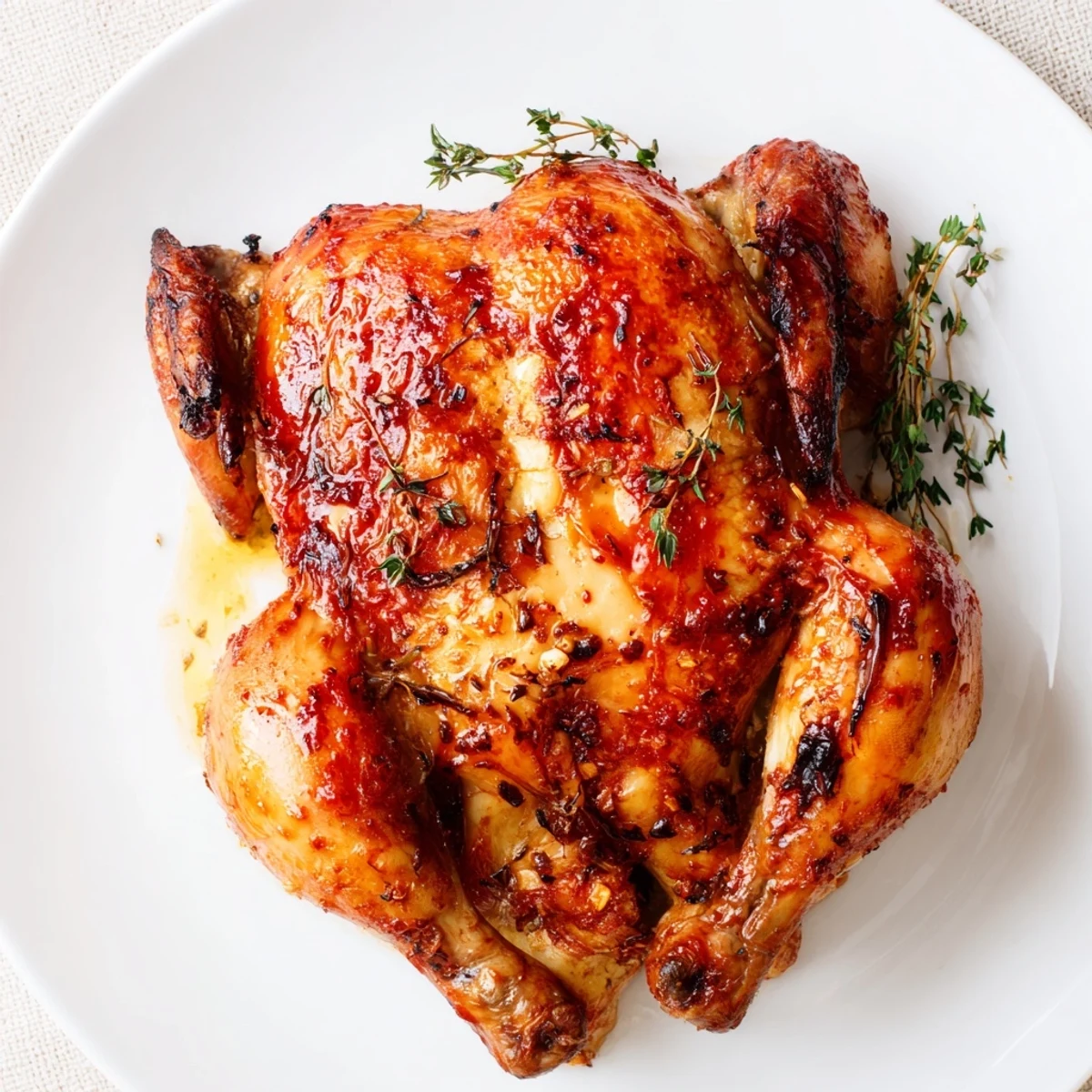
Save There is something about pulling a golden bird from the oven that makes even a quiet weeknight feel like a small celebration. It is the kind of dish that turns strangers into regulars at your table.
What to Serve Alongside
Roasted root vegetables are a natural companion because they can share the same baking sheet and soak up the chicken drippings. A simple arugula salad with lemon vinaigrette cuts through the richness beautifully. If you want to keep it rustic, crusty bread for sopping up any leftover juices is never a bad call.
Handling the Spatchcock Step
If you have never removed a backbone before, ask your butcher to do it or grab sturdy kitchen shears and cut along each side of the spine. It feels awkward the first time but becomes second nature quickly. Flattening the chicken means more skin接触 heat, which means more crispiness, which means no one will complain.
Leftovers and Storage
Leftover chicken barely lasts a day in my house because it disappears into sandwiches and salads by noon. Store whatever remains in an airtight container in the fridge for up to three days.
- Shredded cold chicken makes an incredible next day sandwich with a smear of mayonnaise and pickled onions.
- You can warm it gently in a low oven to keep the skin from going rubbery.
- Never reheat in the microwave if you want to preserve that hard earned crispy skin.
 Save
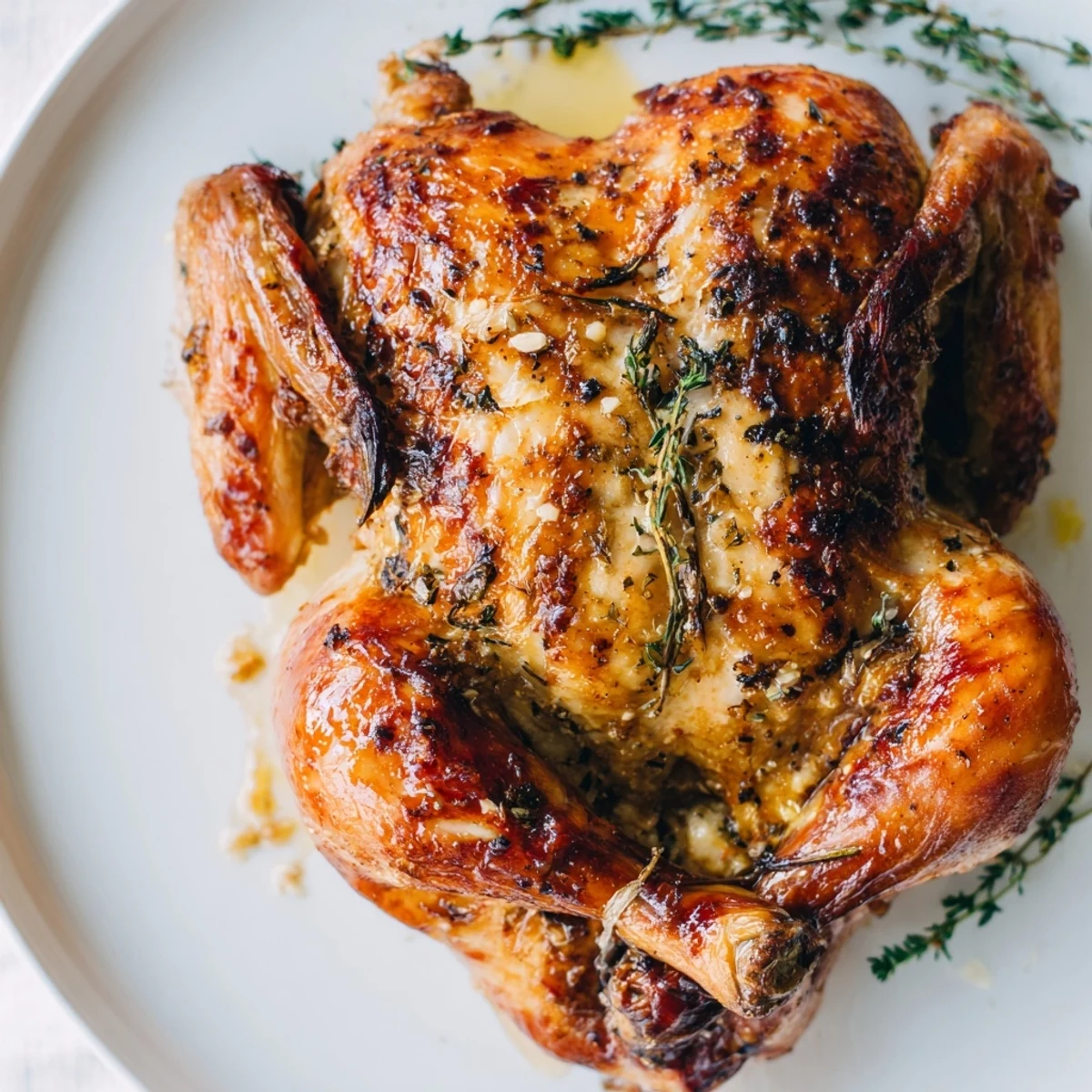
Save Buttermilk roasted chicken is proof that a little patience and a few humble ingredients can create something that feels like a gift. Make it once and it will become part of your rotation without even trying.
Recipe FAQs
- → How long should the chicken marinate?
-
For best texture and flavor, marinate at least 8 hours or overnight. Shorter marinating (2–4 hours) still imparts flavor but won’t tenderize as thoroughly.
- → Can I substitute buttermilk?
-
Yes—use 2 cups milk with 2 tablespoons lemon juice or vinegar and let sit 5–10 minutes to thicken. Cultured milk works well too and provides similar tang and tenderizing effect.
- → Should I spatchcock the chicken or use pieces?
-
Spatchcocking helps the bird cook evenly and crisps the skin across the surface; cutting into pieces reduces cook time and makes portioning easier. Either method works—monitor doneness closely.
- → How do I ensure crisp, golden skin?
-
Pat the bird dry after marinating, brush lightly with oil before roasting, and roast at a high temperature (425°F/220°C) on a rack so air circulates under the skin for even browning.
- → What is the best way to check for doneness?
-
Use a meat thermometer in the thickest part of the thigh without touching bone; target 165°F (74°C). Juices should run clear and the skin should be deep golden.
- → Any serving or storage tips?
-
Let the chicken rest 10 minutes before carving to retain juices. Refrigerate leftovers within two hours; reheat gently in a low oven to preserve crisp skin and texture.