
 Save
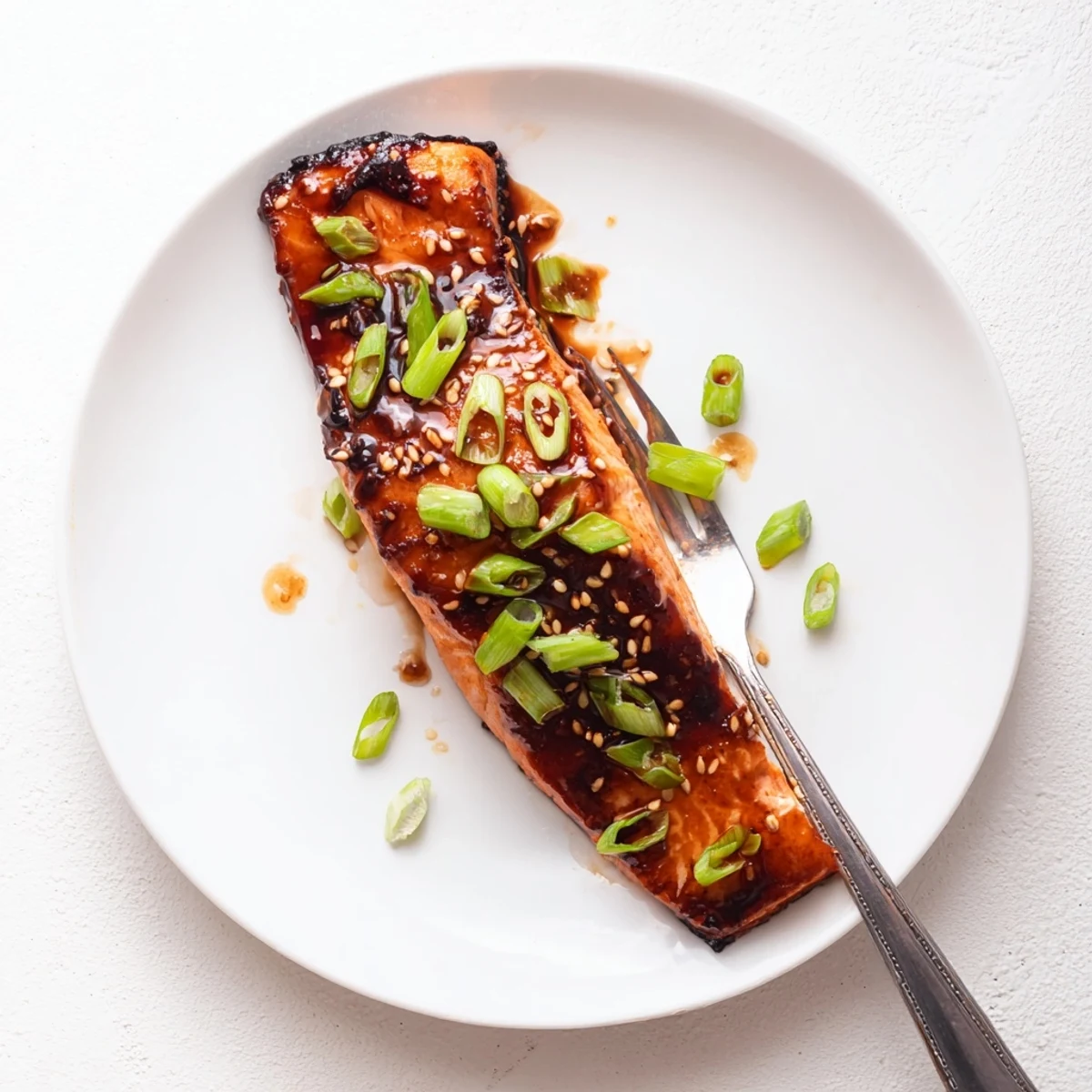
Save This baked Asian salmon delivers restaurant-quality flavor with minimal effort. Four salmon fillets are coated in a rich marinade of soy sauce, honey, sesame oil, rice vinegar, fresh ginger, and garlic, then baked at 200°C for 15-18 minutes until perfectly flaky.
The dish comes together in just 28 minutes, making it ideal for busy weeknights. Garnish with toasted sesame seeds and green onions, and serve alongside steamed jasmine rice or sautéed bok choy for a complete meal.
The oven door had barely clicked shut when my apartment filled with something between caramel and sea salt, and my roommate appeared in the kitchen doorway mid sentence, drawn entirely by smell. That was a Tuesday night, nothing special, just four salmon fillets and a glaze I had thrown together from the back of the fridge. It took maybe ten minutes of actual work, which is exactly the kind of cooking that fits between a long day and the couch. We stood over the baking tray with forks before ever making it to plates.
I started making this for my friend Lena after she declared she did not eat fish, which lasted exactly one bite. Now she texts me on random weeknights asking if I have salmon in the fridge, and I usually do because I buy it in bulk specifically for these moments.
Ingredients
- 4 salmon fillets, about 170 g each: Skin on gives you a protective layer that keeps the fish moist, but skinless works fine if that is what you have.
- 60 ml soy sauce: This is the backbone of the glaze, so use one you actually like tasting straight. Low sodium lets you control the salt.
- 2 tbsp honey or maple syrup: Honey caramelizes beautifully in the oven, but maple syrup brings a rounder warmth that pairs especially well with ginger.
- 1 tbsp sesame oil: A little goes a long way here. Toasted sesame oil is what you want, not the neutral kind.
- 2 tbsp rice vinegar or lime juice: The acid cuts through the richness of the salmon and balances the sweetness. Rice vinegar is gentler, lime is brighter.
- 1 tbsp fresh ginger, grated: Fresh ginger is non negotiable here. The powdered stuff sits flat in a glaze like this.
- 2 cloves garlic, minced: Smash them first, then mince. It releases more of the oils and makes the garlic flavor actually permeate the fish.
- 1 tbsp sriracha or chili paste, optional: Add it if you like heat, skip it if you are cooking for someone who does not. The glaze is wonderful either way.
- 1 tsp toasted sesame seeds: Mostly for crunch and visual appeal, but they also add a nutty finish.
- 2 tbsp green onions, sliced: Scatter these on at the very end so they stay bright and fresh.
Instructions
- Get the oven ready:
- Preheat to 200 degrees C, or 400 degrees F, and line your baking tray with parchment paper or foil. The foil saves you from scrubbing sticky glaze off metal later, which is a lesson I learned the hard way.
- Whisk the glaze together:
- In a mixing bowl, combine the soy sauce, honey, sesame oil, rice vinegar, ginger, garlic, and sriracha if using. Whisk until the honey dissolves and everything looks like one cohesive, dark amber liquid.
- Coat the salmon:
- Arrange the fillets on your prepared tray and spoon or brush the glaze generously over each one. Save a small amount of glaze in the bowl for drizzling after baking if you want extra sauciness.
- Let it rest briefly:
- Give the salmon ten minutes at room temperature to soak in the marinade if you can spare the time. It is not mandatory but it makes a real difference in how deeply the flavor penetrates.
- Bake until flaky:
- Slide the tray into the oven and bake for 15 to 18 minutes. You will know it is done when the fish flakes apart easily with a fork and the glaze looks bubbling and slightly darkened at the edges.
- Finish and garnish:
- Remove from the oven, drizzle with any reserved glaze, and scatter sesame seeds and green onions over the top while the fish is still warm so everything adheres.
- Serve right away:
- Plate the fillets alongside steamed rice or sauteed vegetables. The glaze pools at the bottom and mixes into rice in a way that makes you grateful for every grain.
 Save
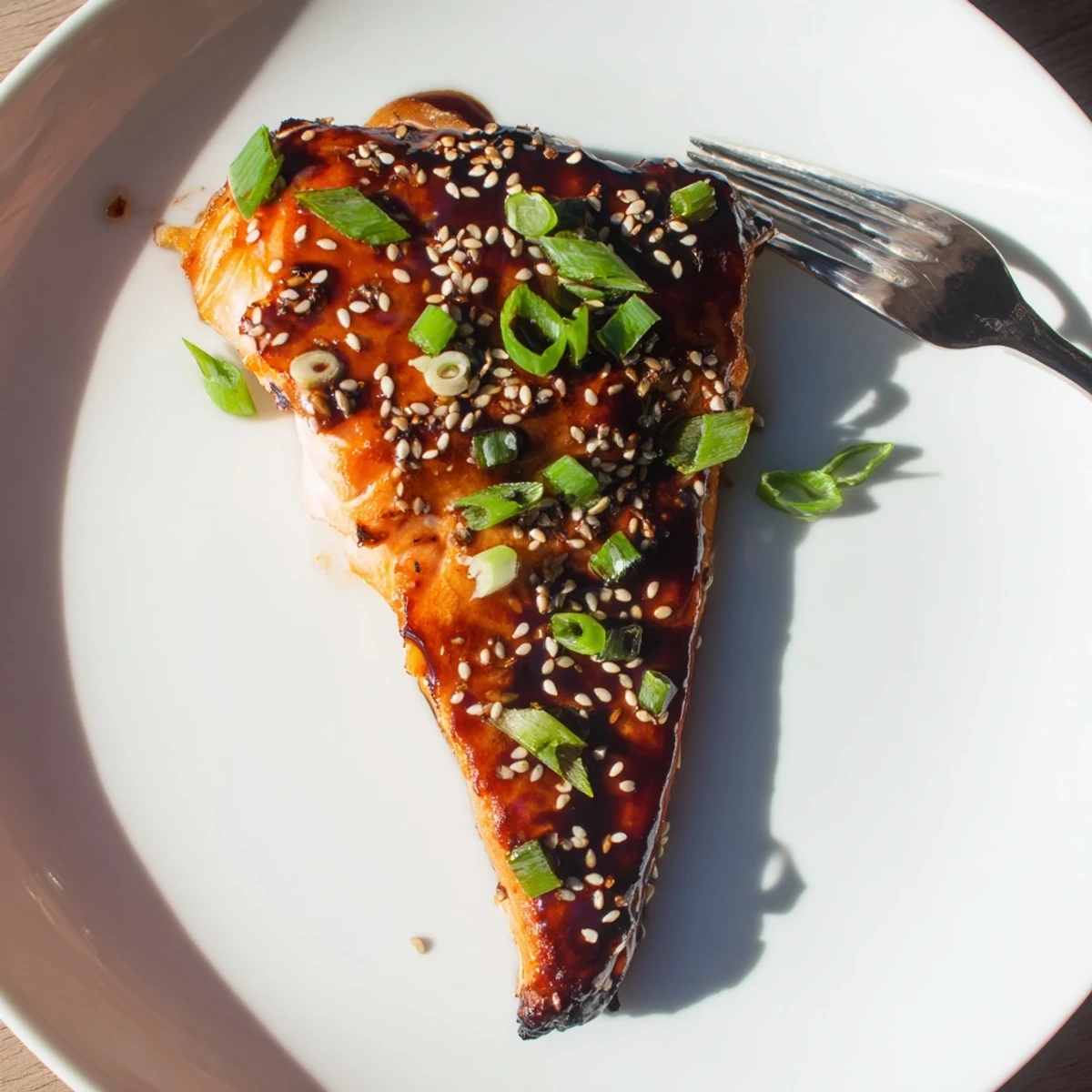
Save The night I made this for my parents, my father went quiet after his first bite, which is the highest compliment in our family. He asked for the recipe, which he has never done before, and now he makes it on the same baking tray every Friday.
Pairings That Actually Work
Jasmine rice is the obvious choice, but I have served this over cold sesame noodles on a hot night and it was exactly right. Sautéed bok choy with a squeeze of lime and a pinch of salt takes five minutes and makes the whole plate feel complete.
Making It Your Own
Maple syrup instead of honey gives the glaze a deeper, earthier sweetness that some people actually prefer. Coconut aminos work beautifully in place of soy sauce if you are avoiding soy, though the glaze will be slightly less intense. I have added a spoonful of miso paste on nights I wanted more umami, and it was a revelation I did not expect.
Timing and Storage
This dish is best eaten the moment it comes out of the oven when the glaze is still bubbling and the fish is at its most tender. Leftovers keep well in the fridge for up to two days and make an excellent cold lunch over greens the next day.
- Let leftover salmon cool completely before refrigerating so it does not steam itself into mush.
- Reheat gently in a low oven if you want to keep the texture, never the microwave.
- Double the glaze recipe if you like having extra to drizzle over rice or vegetables throughout the week.
 Save
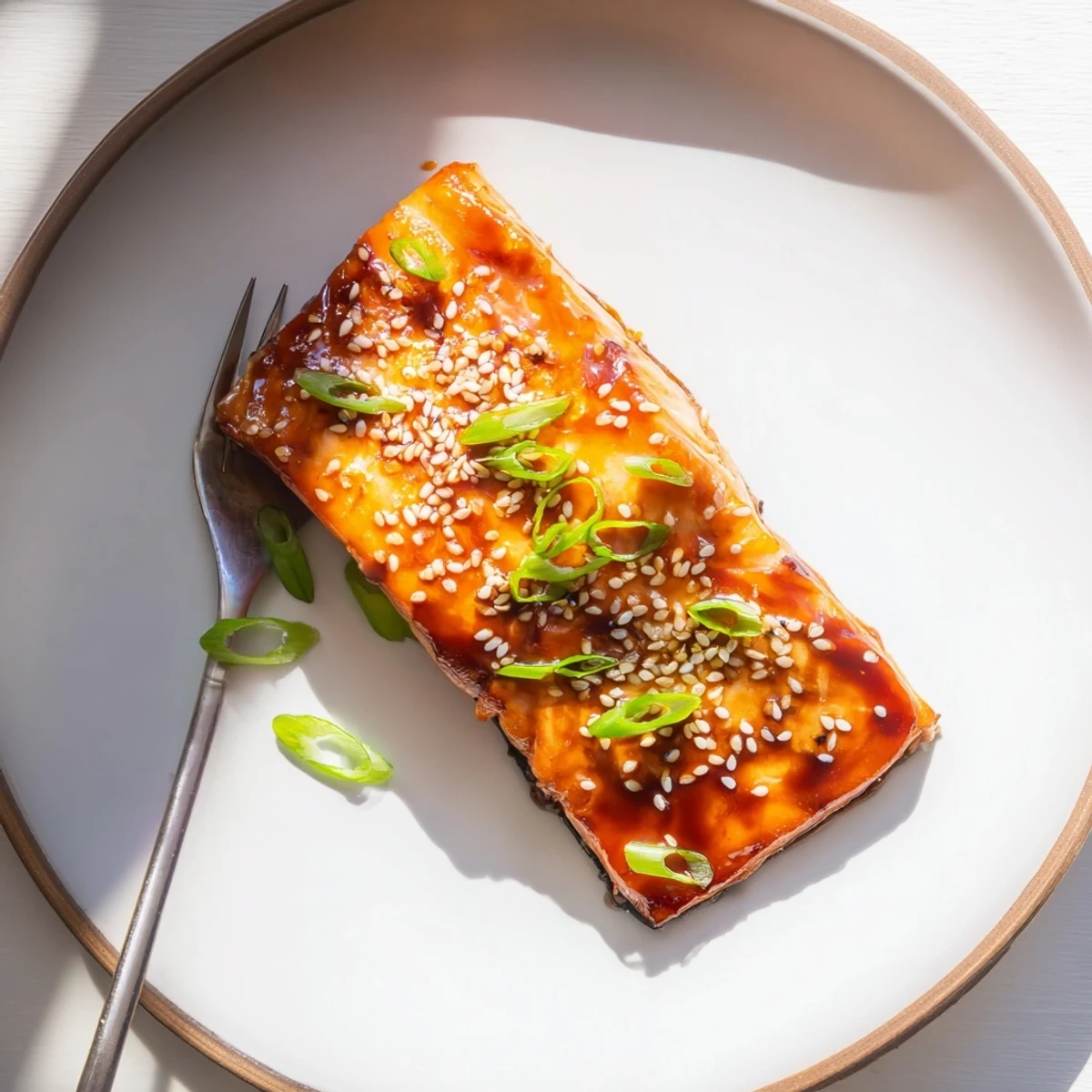
Save Some dinners feel like a project and some feel like a gift you give yourself at the end of a long day. This is the second kind, and it earns its place in the regular rotation every single time.
Recipe FAQs
- → Can I use frozen salmon fillets?
-
Yes, but thaw them completely in the refrigerator overnight before marinating and baking. Pat the fillets dry with paper towels to ensure the glaze adheres properly and the fish cooks evenly.
- → How do I know when the salmon is fully cooked?
-
The salmon is done when it flakes easily with a fork and reaches an internal temperature of 63°C (145°F). The flesh should be opaque throughout but still moist. Avoid overcooking, as salmon dries out quickly.
- → What can I substitute for soy sauce?
-
Coconut aminos work as a soy-free alternative with a slightly sweeter profile. For a gluten-free option, use tamari or certified gluten-free soy sauce. Adjust honey quantities slightly if using coconut aminos, as they are naturally sweeter.
- → Can I prepare the marinade in advance?
-
Absolutely. The marinade can be whisked together and stored in an airtight container in the refrigerator for up to one week. This makes weeknight preparation even faster—simply pour over the salmon and bake.
- → How should I store and reheat leftovers?
-
Store leftover salmon in an airtight container in the refrigerator for up to 2 days. Reheat gently in a 150°C (300°F) oven for 8-10 minutes to maintain texture. Avoid microwaving, which can make the fish tough and rubbery.
- → Can I broil the salmon for a crispier top?
-
Yes, after baking, switch the oven to broil and cook for an additional 2 minutes. Watch carefully to prevent burning. This creates a slightly caramelized, crispy glaze on top while keeping the interior moist and tender.