
 Save
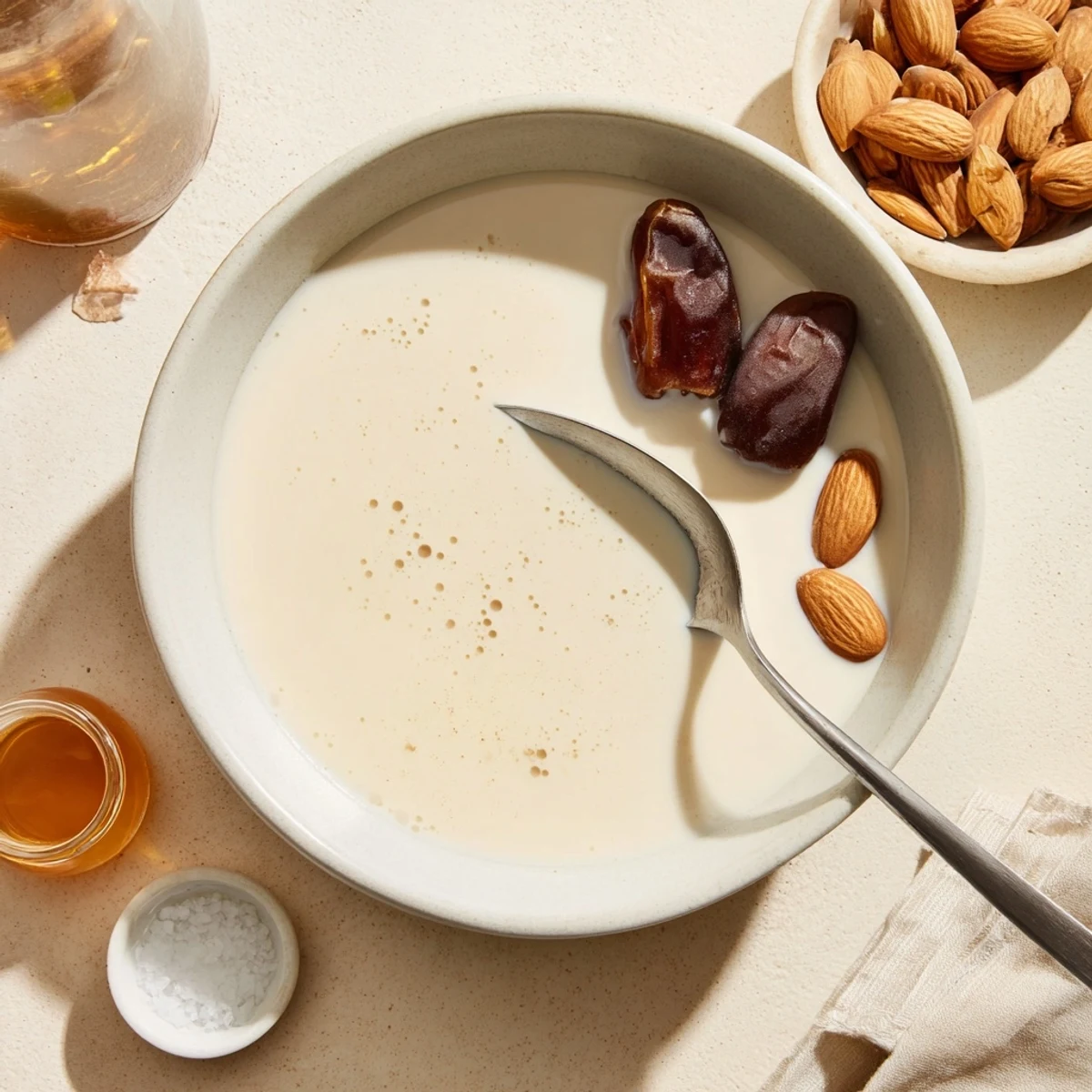
Save Make creamy almond milk by soaking 1 cup (150 g) raw almonds overnight, then blending with 4 cups (1 L) filtered water and optional dates, vanilla, or a pinch of salt. Blend on high until very smooth (1–2 minutes), then strain through a nut milk bag or fine sieve, squeezing out all liquid. Chill in a sealed jar and use within 3–4 days. Save the almond pulp for baking or smoothies; adjust water for thinner or creamier results.
The sound of a blender at six in the morning used to annoy my roommate to no end, but once she tasted what was inside, she started setting out the almonds to soak the night before. Making almond milk at home is one of those small rituals that shifts how you think about everyday staples. It takes almost no effort, costs less than store bought, and tastes impossibly fresher. You will never go back to the carton version once you see how simple this is.
I started making this during a phase when I was reading every ingredient label and realizing how many stabilizers hide in commercial plant milks. My kitchen counter became a regular production line, with jars lined up like little soldiers ready for the week ahead.
Ingredients
- Raw almonds (1 cup or 150 g): Use truly raw almonds, not roasted or salted, because the soaking process depends on them being unprocessed and their flavor stays clean and sweet.
- Filtered water (4 cups or 1 liter, plus more for soaking): Good water means good milk, since water is the majority of what ends up in your glass.
- Dates, pitted (1 to 2, optional): A natural sweetener that blends seamlessly and adds a gentle caramel note without refined sugar.
- Vanilla extract (1 tsp, optional): This one tiny addition makes the milk taste like something you would pay eight dollars for at a specialty cafe.
- Sea salt (a pinch, optional): Salt does not make it salty, it makes it taste like itself, rounding out every flavor quietly.
Instructions
- Soak the almonds:
- Place the almonds in a bowl and cover them generously with water, then walk away for at least eight hours or overnight until they look plump and tender between your fingers.
- Drain and rinse:
- Dump the soaking water and rinse the almonds thoroughly under cold running water until it runs completely clear, washing away any tannins that collected during the soak.
- Blend everything together:
- Toss the soaked almonds into your blender with four cups of fresh filtered water, plus the dates, vanilla, and salt if you are using them, then blend on high for one to two minutes until the mixture looks pale, frothy, and completely smooth.
- Strain the milk:
- Pour the blended mixture through a nut milk bag or a double layer of cheesecloth into a large bowl, gathering the edges and squeezing firmly with both hands until the pulp left behind is nearly dry.
- Store and enjoy:
- Transfer the strained milk into a clean bottle or jar and keep it in the refrigerator, shaking it well before each use since separation is completely natural and expected.
 Save
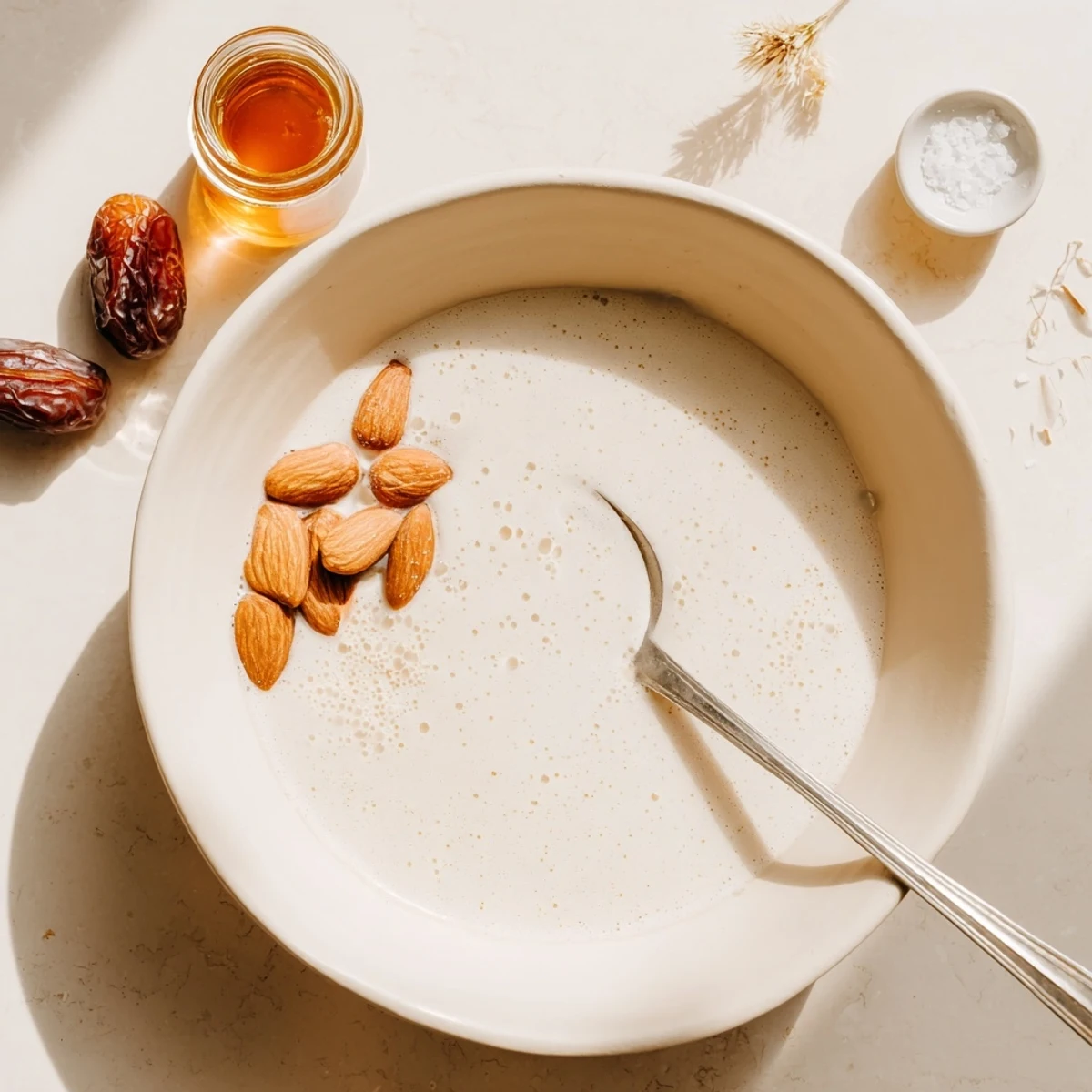
Save The first time I served this to friends over iced coffee on a warm afternoon, nobody believed it was homemade until I showed them the empty almond bag sitting by the sink.
What to Do With the Leftover Pulp
Do not throw away that leftover almond pulp, because it is essentially moist almond flour waiting for a second life. I spread it on a baking sheet, dry it out in a low oven, and then use it in cookies, muffins, or energy balls throughout the week.
Adjusting Texture and Flavor
For a thinner milk more suited to drinking by the glass, add an extra half cup of water during blending. If you want something luxurious for pouring over granola or adding to lattes, reduce the water by half a cup and the result will coat the back of a spoon beautifully.
Keeping It Fresh and Safe
This milk lasts three to four days in the refrigerator, which sounds short compared to commercial versions, but that brevity is proof there is nothing preserving it beyond cold air. I make a fresh batch every Sunday and Wednesday to keep a steady supply going. A few habits help stretch each batch to its full potential without waste.
- Always use a scrupulously clean bottle, because any residue will shorten the shelf life fast.
- Keep the milk toward the back of the fridge rather than the door where temperature fluctuates.
- If the smell turns sour or the texture thickens oddly, trust your senses and start a new batch.
 Save
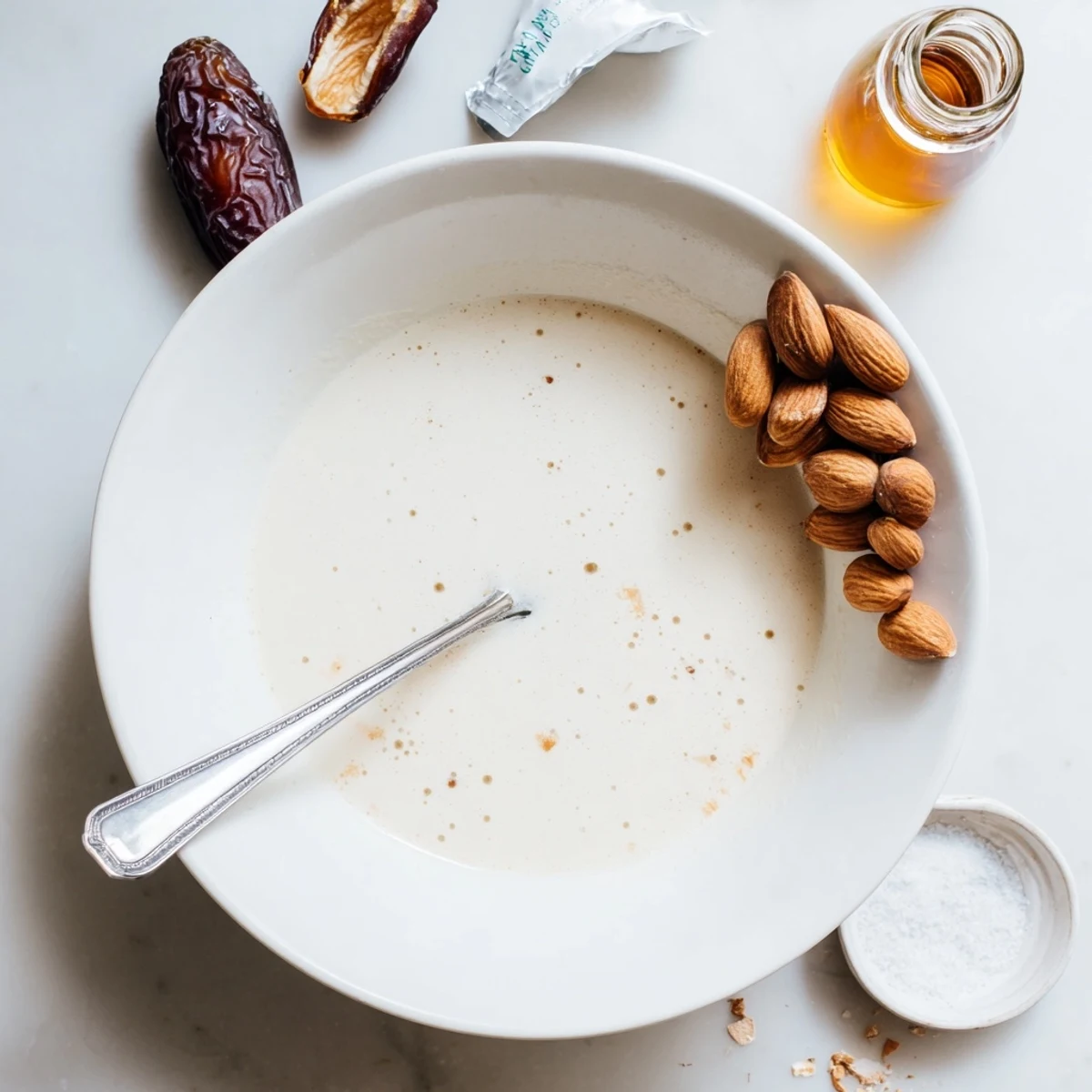
Save Once you have made almond milk this way, the store bought version will taste flat and lifeless by comparison. It is ten minutes of active work for a week of something genuinely better.
Recipe FAQs
- → How long should I soak the almonds?
-
Soak raw almonds for at least 8 hours or overnight. Longer soaking softens the nuts and yields a smoother, creamier milk; a quick 1-hour soak in warm water helps if short on time.
- → What almond-to-water ratio gives the best texture?
-
Use 1 cup (150 g) almonds to 4 cups (1 L) water for a balanced, drinkable milk. Use less water for a creamier result or more for a thinner, lighter milk.
- → How can I sweeten or flavor the milk?
-
Blend in 1–2 pitted dates for natural sweetness, or add 1 tsp vanilla extract for aroma. Maple syrup or a touch of cocoa powder also work; add to taste after blending.
- → How should I store the almond milk and how long does it keep?
-
Store in a sealed bottle or jar in the refrigerator and shake well before use. Fresh almond milk keeps 3–4 days; always check smell and texture before drinking.
- → What can I do with the leftover almond pulp?
-
Save the pulp for baking, smoothies, energy balls, or to dry and turn into almond flour. It adds fiber and nutty flavor to many dishes, reducing waste.
- → Which tools give the smoothest milk?
-
A high-speed blender yields the smoothest result; strain through a nut milk bag or fine sieve and squeeze thoroughly to extract maximum liquid and reduce grit.